Rhythm, stress and melody
Ten features of American English speech beyond individual sounds, compared with Hungarian habits.
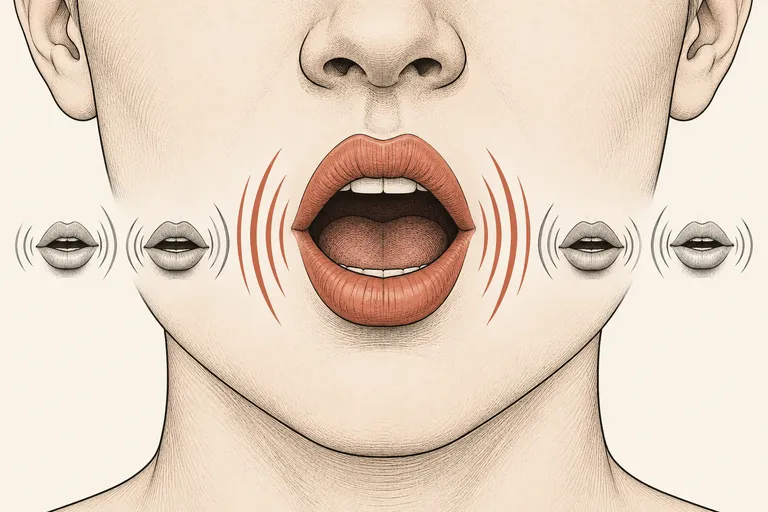
You likely put automatic emphasis on the first syllable of every English word, the way Hungarian always does…
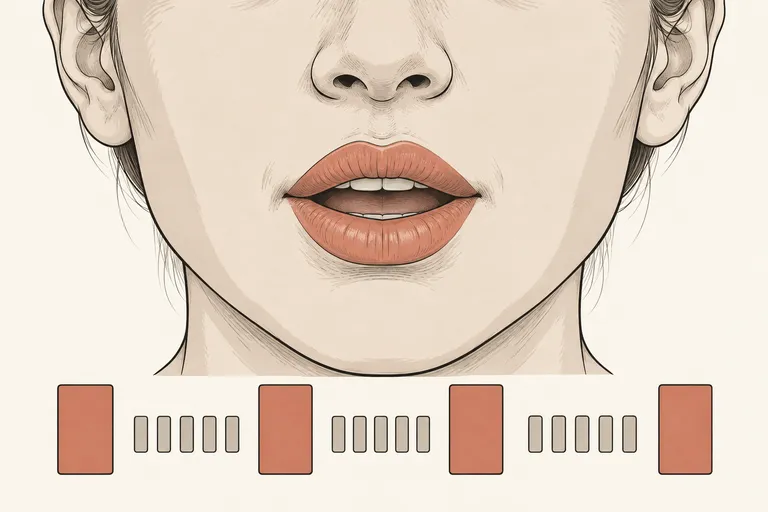
You likely give each syllable of an English sentence roughly equal time and clarity, the way Hungarian's…

You probably pronounce every vowel in an English word with its full, clear quality, the same way you would in…

You likely keep your pitch fairly level through most of an English statement and save almost all the falling…
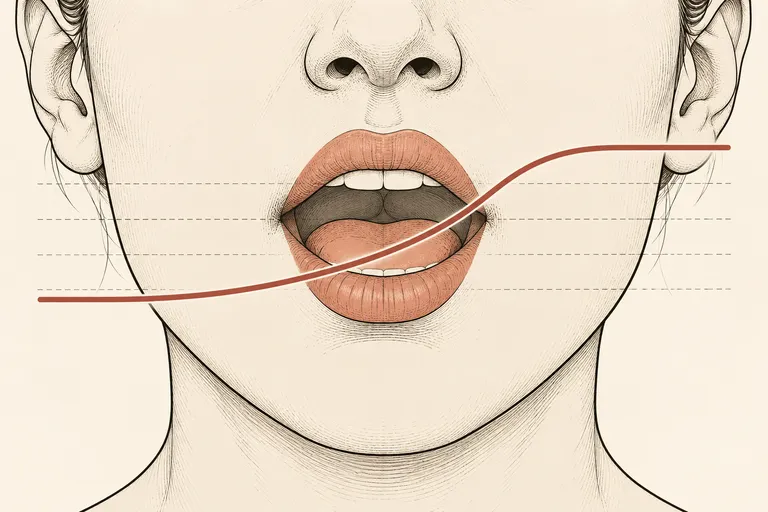
You may end English yes/no questions with a sharp rise followed by a fall on the last syllable, following the…

You probably already use a falling pitch on English wh-questions like 'Where are you going?', since Hungarian…
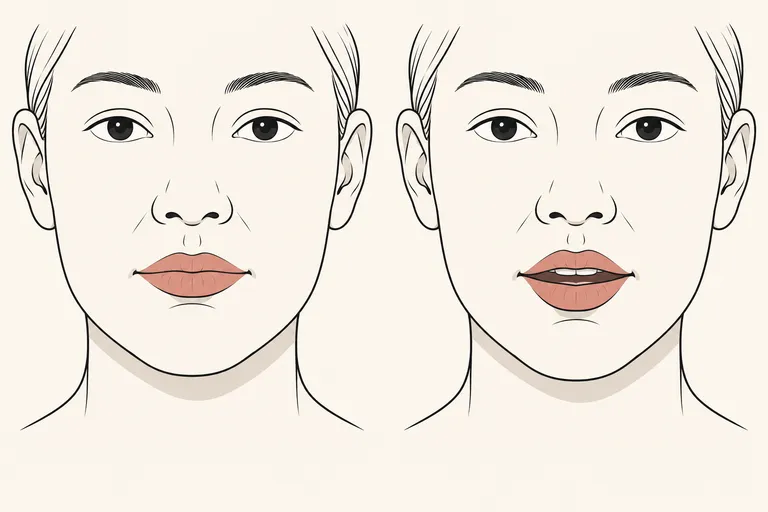
You may insert a small glottal stop or pause before English words that begin with a vowel, especially after a…
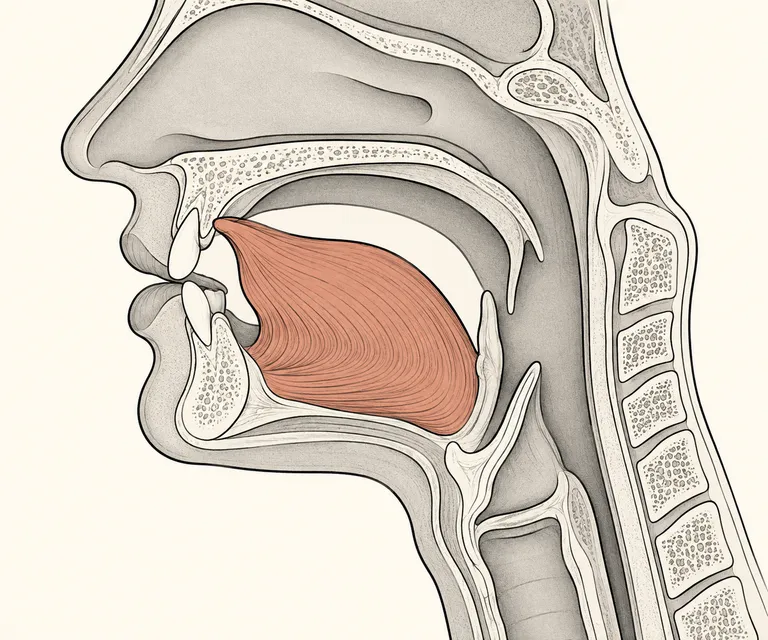
You likely pronounce every English t between vowels as a full, crisp stop with a clear release, the same…
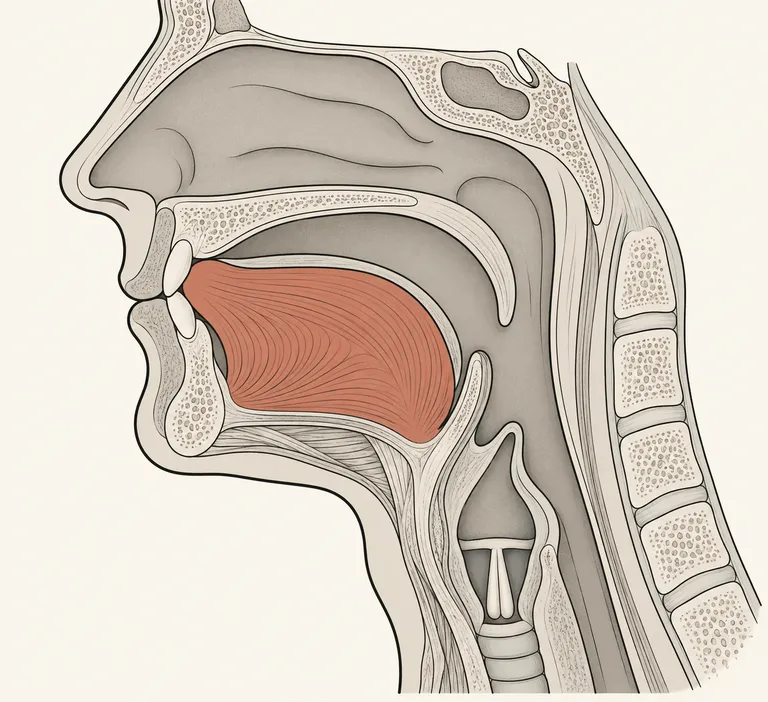
You likely give every final consonant in an English word a full, clear, audible release, the same crisp way…
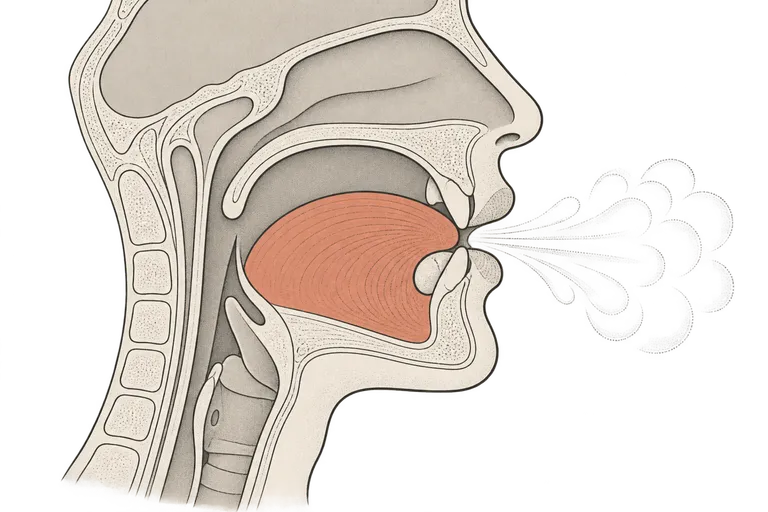
You likely pronounce English p, t, and k the same unaspirated way you do in Hungarian, releasing straight…