


AccentMatch.US
About

This is an AI-generated research project, still being refined. It may contain errors. Reader ratings and feedback are coming soon. How this is made

For Hungarian speakers

Your English has a Hungarian shape. Here is where.

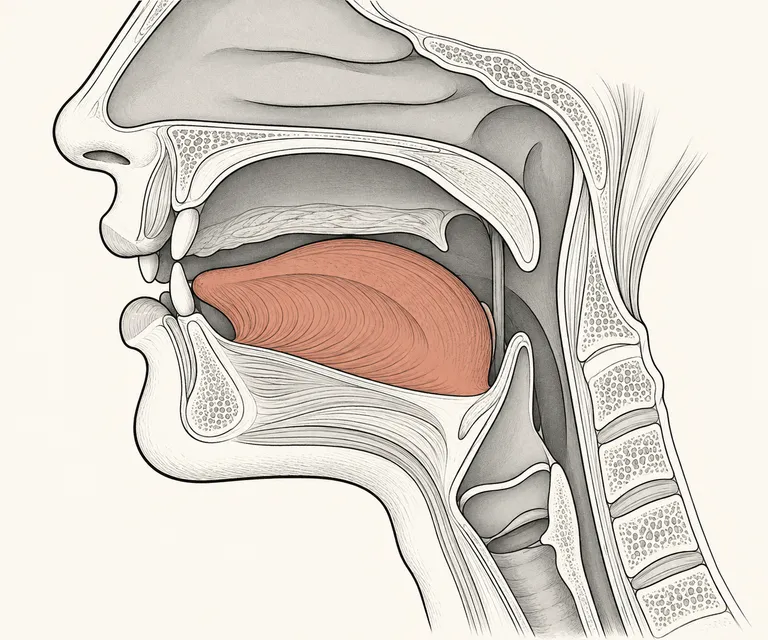
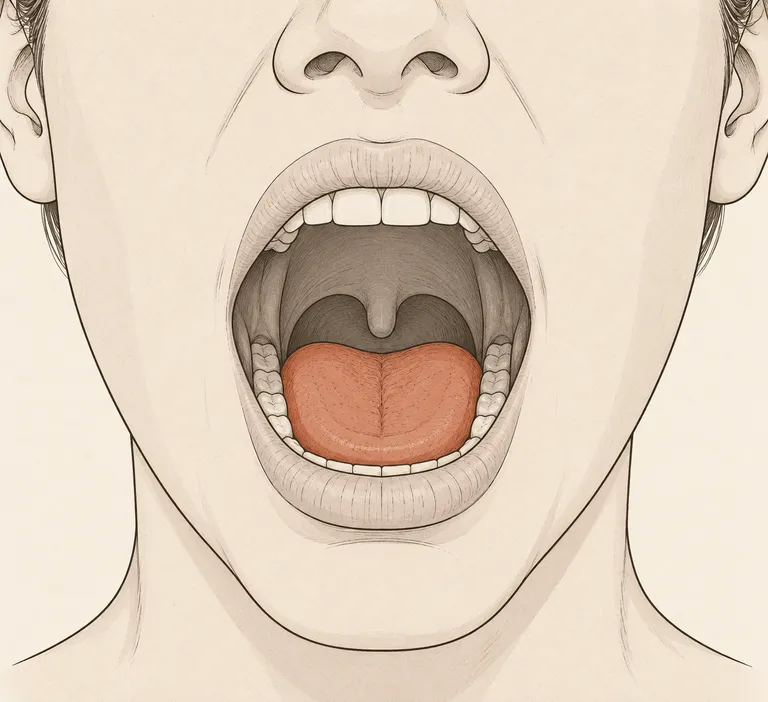
Hungarian speech keeps the tongue forward and fairly high, echoing the language's rich set of front vowels, including the rounded ő and ü sounds that don't exist in English. The lips work more actively than in English, pursing and rounding clearly for these front-rounded vowels. 7 sounds and 1 rhythm habit do most of the work.

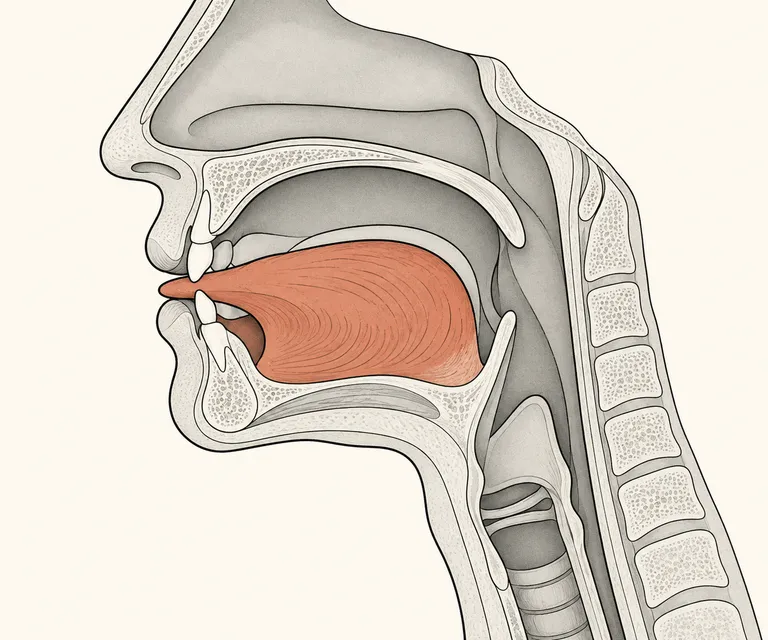
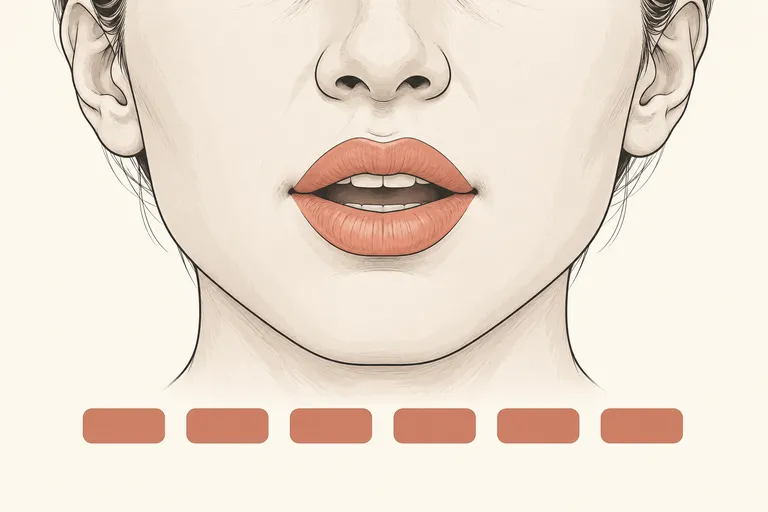
Jaw steady, lips gently rounded and slightly forward, tongue body sitting high and forward in the mouth.
Rest positionJaw steady, lips gently rounded and slightly forward, tongue body sitting high and forward in the mouth.
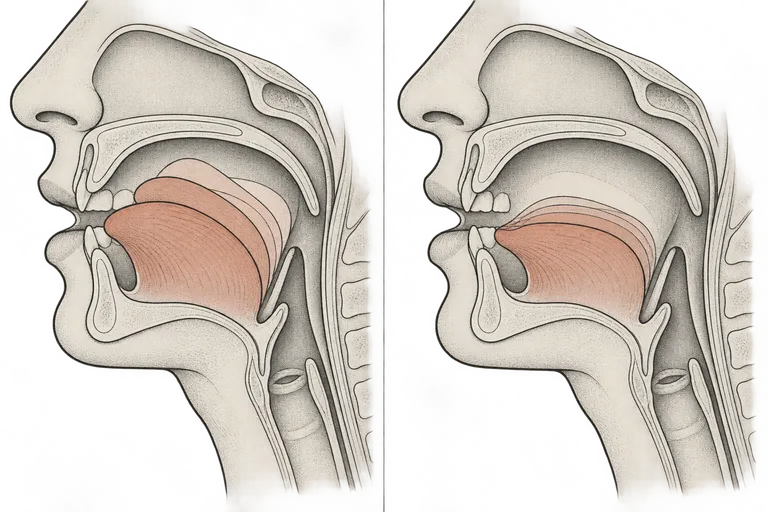
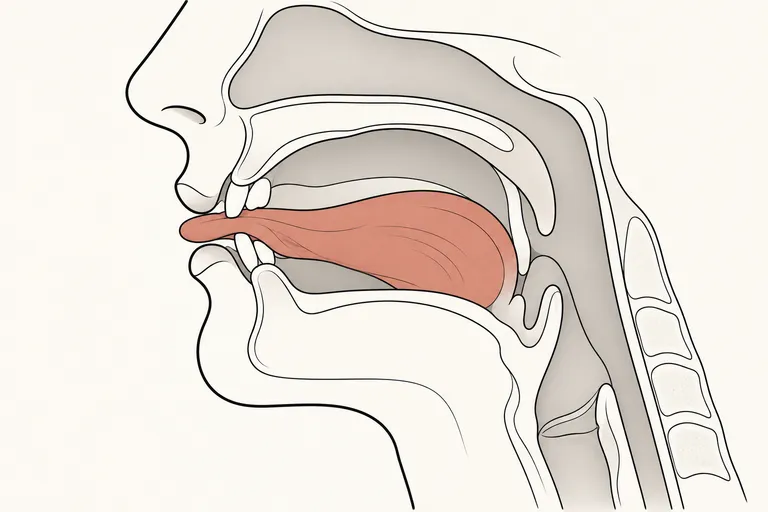
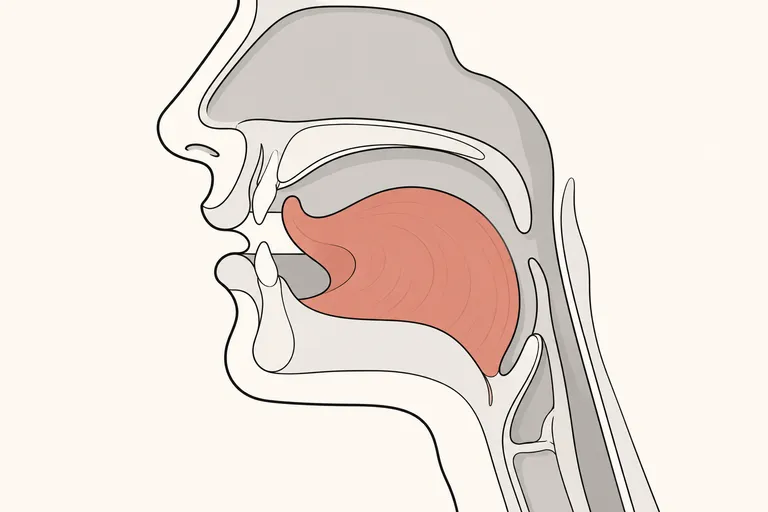
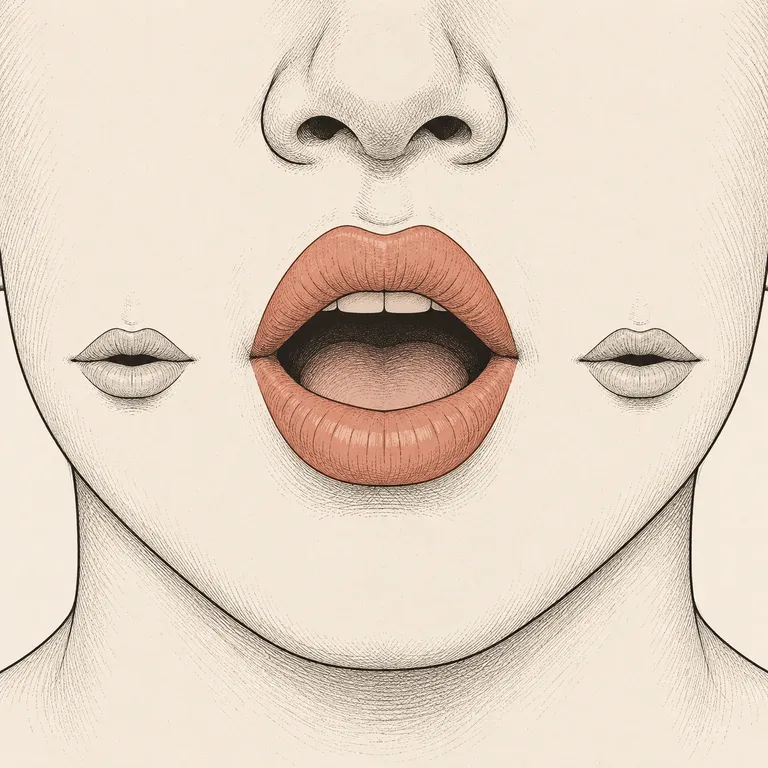
Lips pushed forward and rounded like a whistling shape, tongue tip low near the lower teeth while the tongue body arches high and forward.
Front-rounded vowel (ő/ü)Lips pushed forward and rounded like a whistling shape, tongue tip low near the lower teeth while the tongue body arches high and forward.
Hungarian keeps the tongue forward and the lips more actively engaged than English, especially for its distinctive rounded front vowels like ő and ü.

What marks your accent most

Ranked by how strongly each difference signals a Hungarian accent to American listeners.

How Hungarian moves

sourced

Hungarian stress always lands on a word's first syllable, with no exceptions, giving speech a steady, predictable beat. Unlike English, unstressed vowels keep their full, clear quality instead of blurring into an 'uh' sound, so every syllable stays crisp and distinct. This even treatment of syllables makes Hungarian sound more evenly paced and less 'bouncy' than English's stress-timed rhythm.

Where Hungarian rests

sourced

Hungarian speech keeps the tongue forward and fairly high, echoing the language's rich set of front vowels, including the rounded ő and ü sounds that don't exist in English. The lips work more actively than in English, pursing and rounding clearly for these front-rounded vowels. The jaw stays fairly steady, with less up-and-down bouncing than in English. There's no tongue-curling-back habit like the American 'r' — Hungarian's r is a light tap or trill made near the front of the mouth. Cheeks and throat stay relaxed, and consonants, especially doubled 'long' consonants and softened gy/ty/ny sounds, are made with crisp, deliberate tongue contact. Overall the mouth feels forward-focused and precise, without the loose drift typical of English.

Standard Hungarian (Budapest-based educated standard); regional dialects such as Palóc or Székely are not covered here.