/o/, /oʊ/as in go
You likely produce English 'oh' the same way you say Hungarian ó: a single, steady vowel held from start to finish with no extra movement of the lips or tongue.
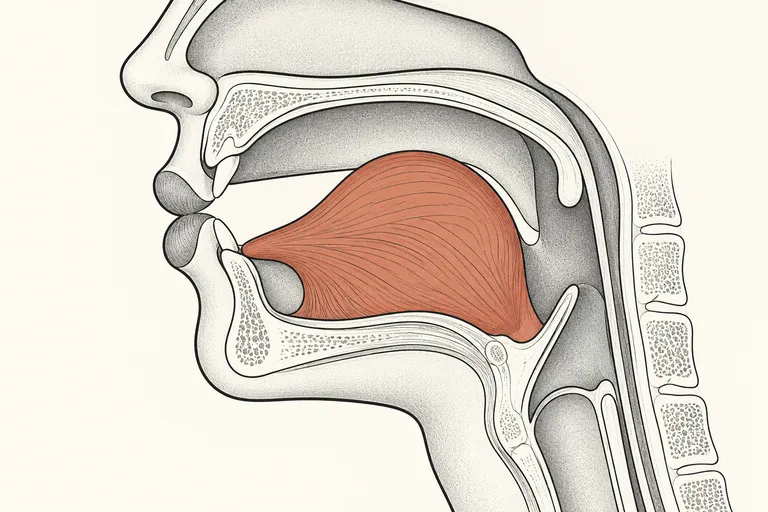
What you probably do
You likely produce English 'oh' the same way you say Hungarian ó: a single, steady vowel held from start to finish with no extra movement of the lips or tongue.
How natives do it
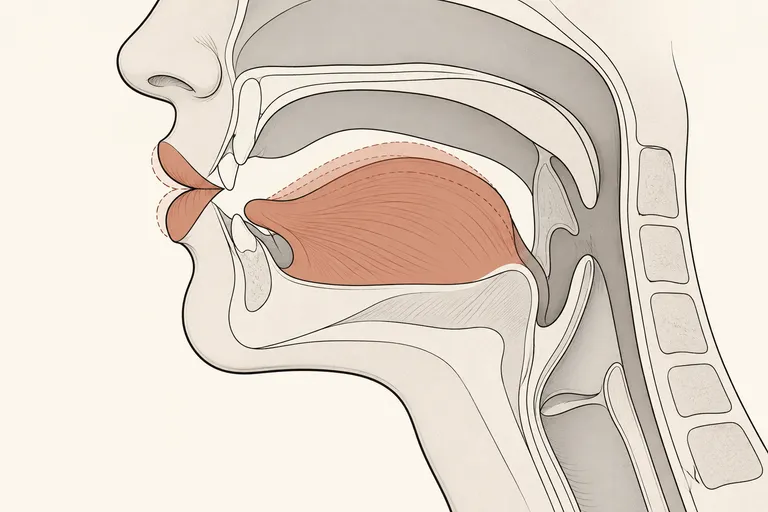
Americans round the lips and raise the back of the tongue to a similar starting position, but then let the lips round further and the tongue rise a little more as the vowel finishes, sliding gently toward an 'oo' quality. The glide is small and smooth, not exaggerated.
Why it matters
Skipping the glide rarely causes real misunderstanding, but it gives stressed 'oh' words a flatter, more static quality that is one of the clearest accent markers for Hungarian speakers. Adding the subtle closing movement makes words like 'go' and 'boat' sound more natural.
Hear the difference
Words this touches
Hungarian speakers often substitute /oː/.
How the mouth differs
Hungarian ó is a pure, steady monophthong held at a fixed mid-back rounded position for its whole length. English o is typically realized as a diphthongal glide: it starts at a similar mid-back rounded position but the lips round further and the tongue rises slightly higher and further back as the vowel closes.
Listen for the pattern
A monophthongal, unmoving 'oh' is usually still understood correctly, but American listeners often perceive it as slightly flat or foreign, since the small closing glide is an expected part of this vowel's identity in General American.
Reader ratings and feedback are coming soon.
Sources (3)
- Wells, J.C. (1982). Accents of English.
- Kenesei, I., Vago, R.M., & Fenyvesi, A. (1998). Hungarian: Descriptive Grammar.
- An Optimality Theoretic account ofHungarianESLlearners...
- Hungarian ESL learners transfer the contrastive nature of vowel length from L1 to L2 despite it being non-functional in standard English.
- Optimality Theory successfully models these interference patterns by ranking constraints that prioritize L1 phonological habits over L2 requirements.
- Learners exhibit difficulty suppressing Hungarian-specific phonological rules when producing English words with short vowels.