/ʊ/as in book
You probably reach for a quick, clipped version of Hungarian ú instead of a truly different, relaxed vowel — your lips stay strongly rounded and your tongue tense and high, just held for less time.
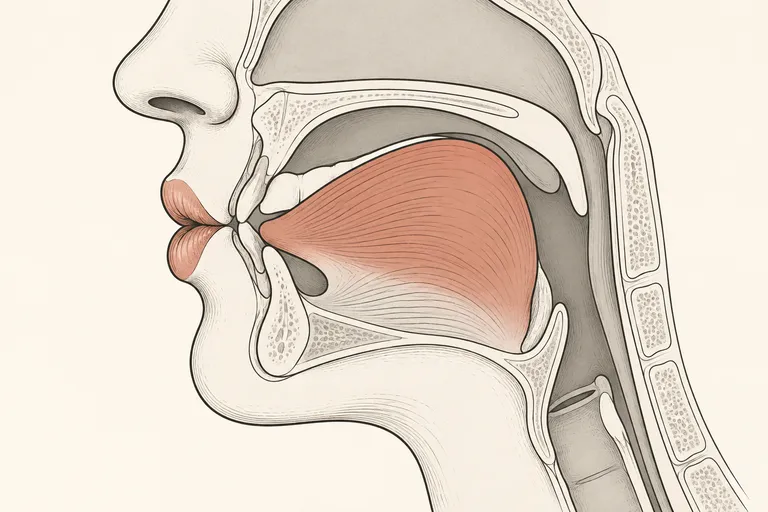
What you probably do
You probably reach for a quick, clipped version of Hungarian ú instead of a truly different, relaxed vowel — your lips stay strongly rounded and your tongue tense and high, just held for less time.
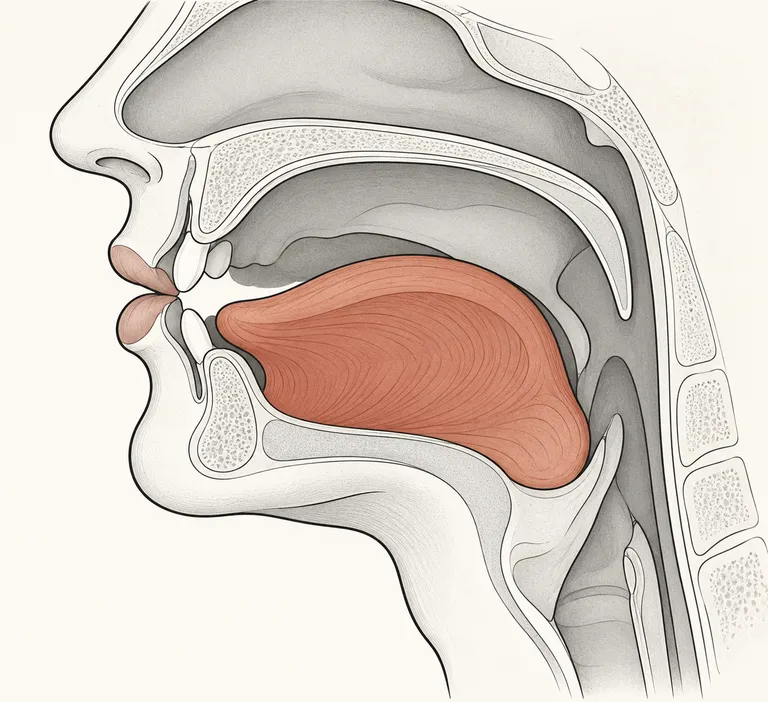
How natives do it
Americans round the lips only lightly, much less than for the long 'oo' sound, and keep the tongue relaxed in a high-back position without pushing it all the way up. The result is both shorter and qualitatively looser than u, not just a fast version of it.
Why it matters
Because Hungarian has no separate lax vowel category here, this substitution can turn everyday words like 'book' and 'put' into their long-vowel neighbors 'boot' and... 'poot'. Relaxing the lips and tongue, rather than just shortening the sound, keeps these common words clear.
Hear the difference
Words this touches
Hungarian speakers often substitute /u/.
How the mouth differs
Hungarian has no lax high-back vowel; its short u is a brief version of the same tense, strongly rounded high-back position used for long ú. English ʊ requires a genuinely lower, laxer tongue position and only light lip rounding, not just a shorter duration of the tense vowel.
Listen for the pattern
Because Hungarian speakers substitute a shortened tense u for English ʊ, words like 'book' and 'full' can sound to American listeners like 'boot' and 'fool' produced quickly, creating confusion between distinct word pairs.
Reader ratings and feedback are coming soon.
Sources (2)
- Wells, J.C. (1982). Accents of English.
- Kenesei, I., Vago, R.M., & Fenyvesi, A. (1998). Hungarian: Descriptive Grammar.