/g/as in go
At the end of a word you likely release g with no voicing at all and keep the preceding vowel short, which is exactly how k is produced.
What you probably do
At the end of a word you likely release g with no voicing at all and keep the preceding vowel short, which is exactly how k is produced. This is a natural habit since Hungarian doesn't use vowel duration to mark consonant voicing.
How natives do it
Americans keep a trace of voicing into the closure of a final g and, more importantly, hold the vowel right before it noticeably longer than they would before a k. The tongue movement is otherwise the same.
Why it matters
Because the vowel-length cue carries much of the load, a devoiced final g can make 'bag' sound like 'back' or 'dog' like 'dock' to an American listener, which can genuinely confuse meaning in everyday words.
Hear the difference
Words this touches
Hungarian speakers often substitute /k/.
How the mouth differs
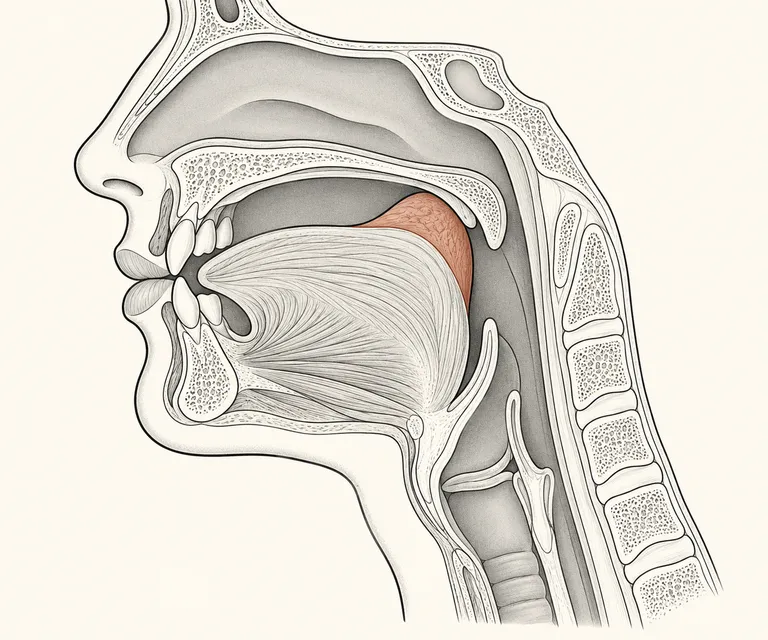
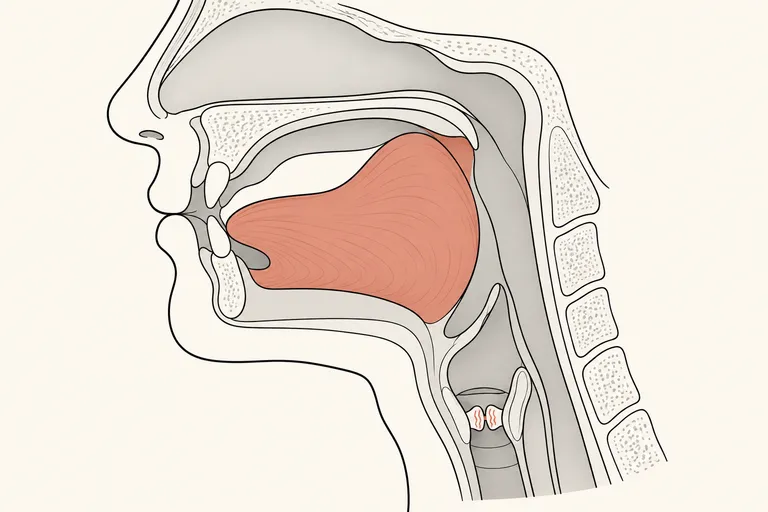
Both languages form g with the back of the tongue against the soft palate and voicing throughout the closure. English signals word-final g versus k mainly through a longer preceding vowel and residual voicing; Hungarian speakers, lacking this positional lengthening habit, often devoice the final stop fully, collapsing g with k.
Listen for the pattern
A fully devoiced final g can make 'bag' sound like 'back' to American listeners, since the vowel-length cue that usually signals the underlying voicing is missing.
Reader ratings and feedback are coming soon.
Sources (1)
- Wells, J.C. (1982). Accents of English.