/aʊ/as in how
You likely use your Mandarin au diphthong for English words like 'how' and 'house', starting low and gliding up and back with some lip rounding, which is a genuinely close match and usually sounds clear without much…
What you probably do
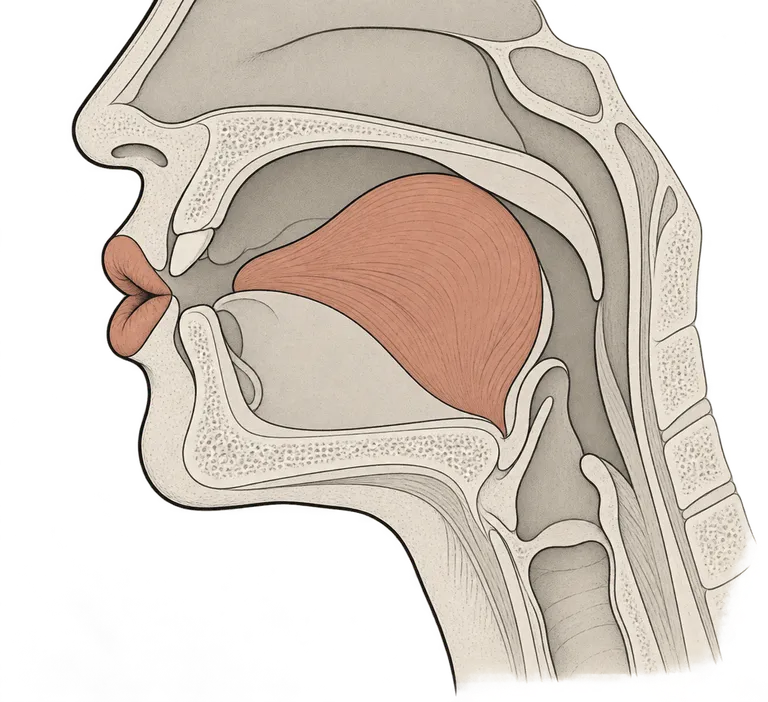
You likely use your Mandarin au diphthong for English words like 'how' and 'house', starting low and gliding up and back with some lip rounding, which is a genuinely close match and usually sounds clear without much extra effort.
How natives do it
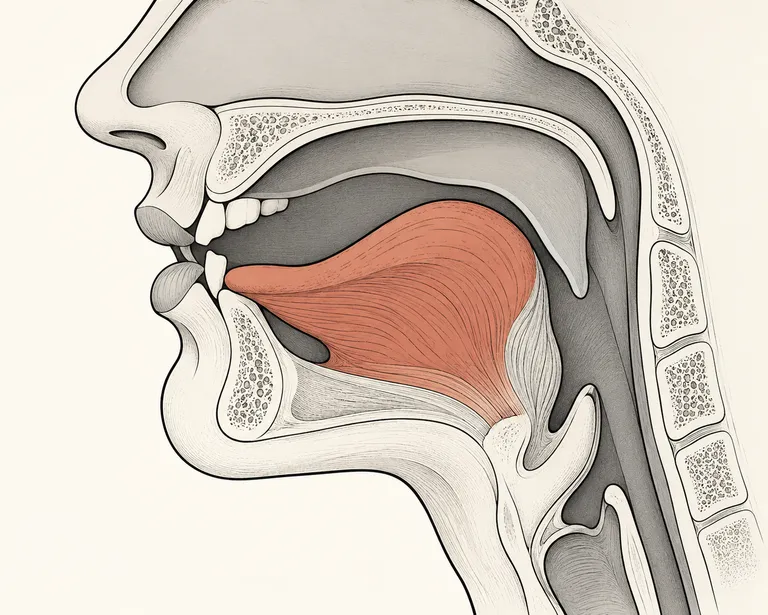
Americans start with the jaw wide open and tongue low, like saying 'ah', then glide the tongue upward and backward while the lips round further, finishing near an 'oo' shape, as in 'how' and 'house', completing the whole movement smoothly.
Why it matters
Because this diphthong is already close to a sound you know well, it's rarely a major accent marker on its own; just make sure the glide and lip rounding complete fully, since an incomplete glide can occasionally blur words like 'down' and 'done'.
Hear the difference
Words this touches
Mandarin Chinese speakers often substitute /au/.
How the mouth differs
Mandarin's own diphthong au is close in shape to English aʊ, starting low and gliding up and back with lip rounding; differences are mainly in the degree and timing of the lip rounding and in how completely the glide rises and retracts, which English tends to execute more fully.
Listen for the pattern
An incomplete or under-rounded glide can occasionally make the vowel sound closer to a flatter central vowel, mildly blurring words like 'down' and 'done', though this is a relatively minor issue since the core diphthong shape is already familiar from Mandarin.
Reader ratings and feedback are coming soon.
Sources (1)
- Duanmu, S. (2007). The Phonology of Standard Chinese. Oxford University Press.