
AccentMatch.US
About

This is an AI-generated research project, still being refined. It may contain errors. Reader ratings and feedback are coming soon. How this is made

For Mandarin Chinese speakers

Your English has a Mandarin Chinese shape. Here is where.

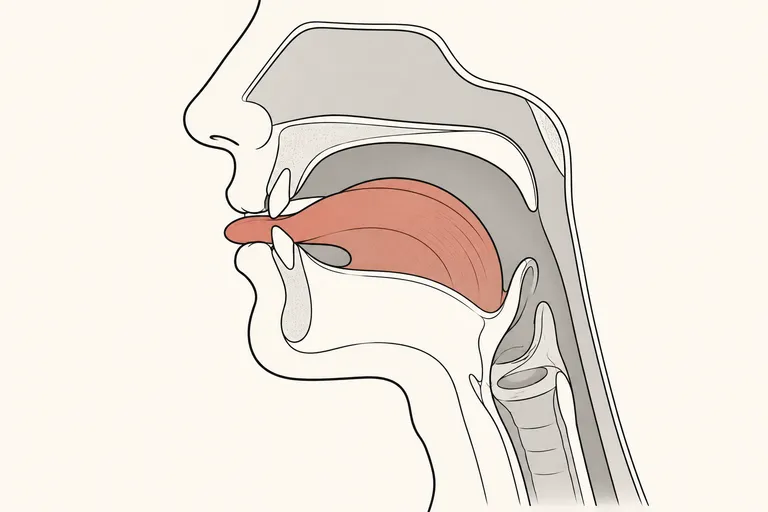
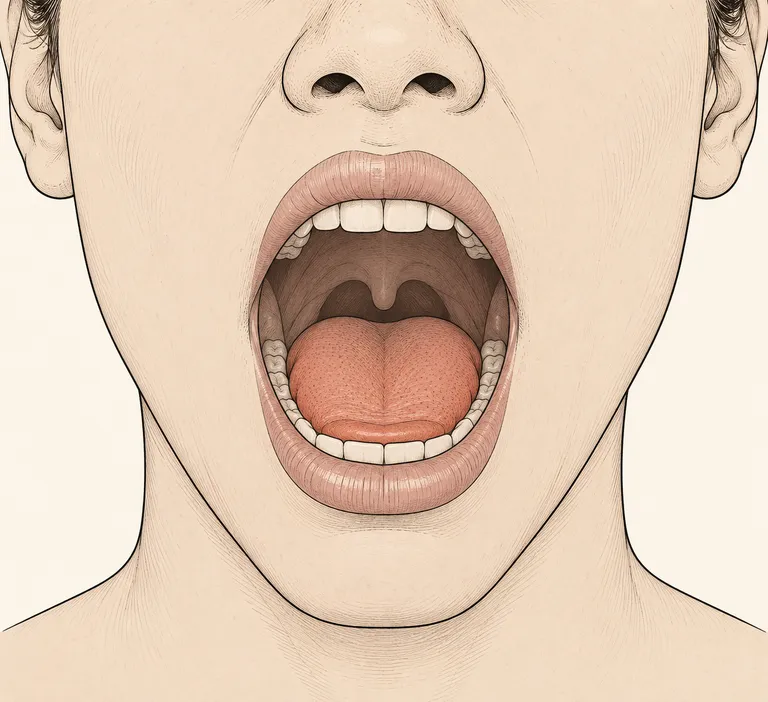
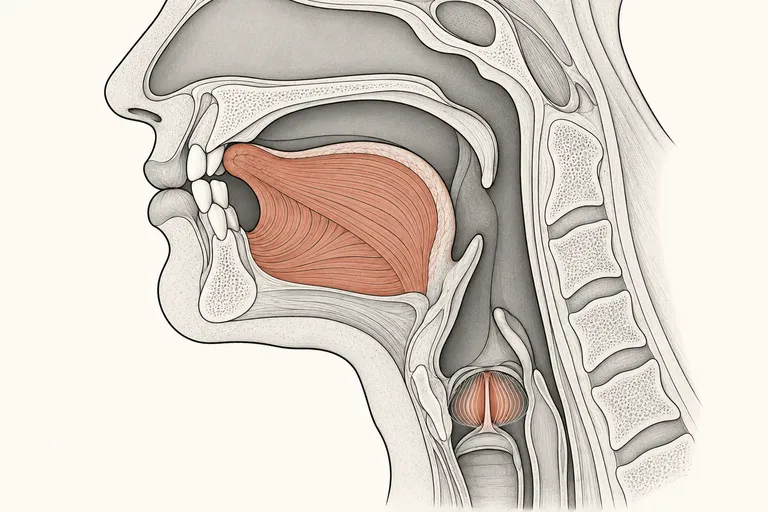
Mandarin keeps the jaw and lips fairly neutral and compact — there's less wide opening or lip-spreading than in English. The tongue sits a bit further back and higher at rest, ready to curl its tip backward for sounds like zh, ch, sh, and r, and to round forward for the ü vowel. 2 sounds and 0 rhythm habits do most of the work.

The full comparison for Mandarin Chinese is still being researched. Published material may change as the research continues. Daily tips are already flowing.

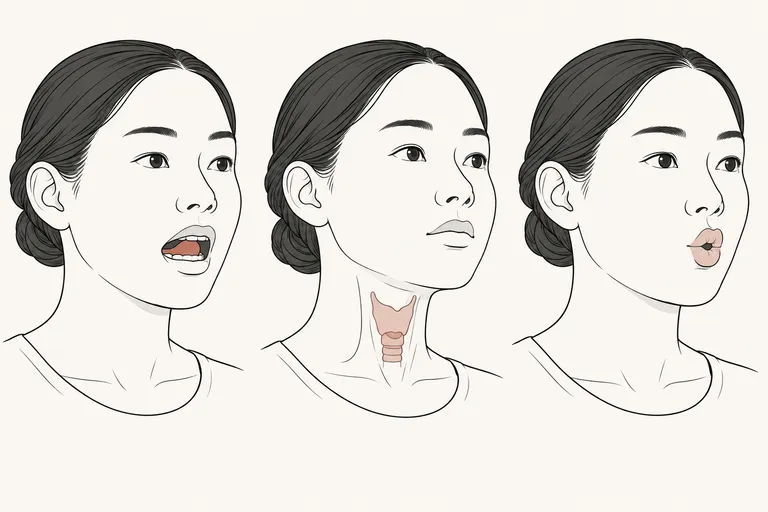
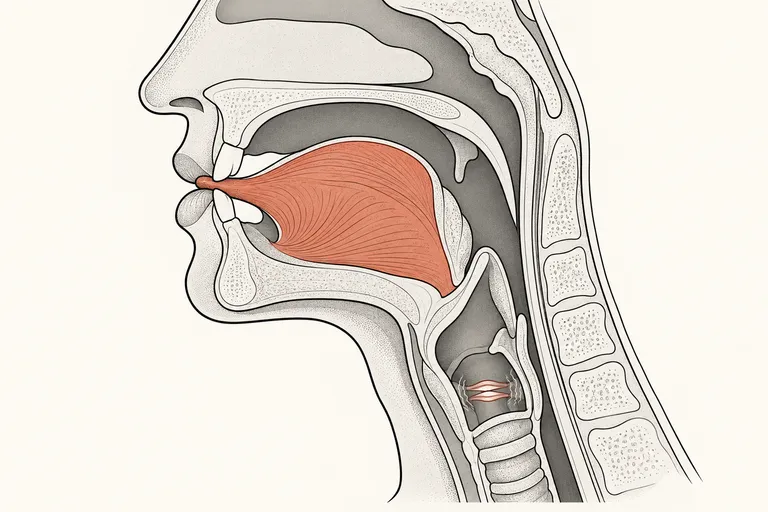
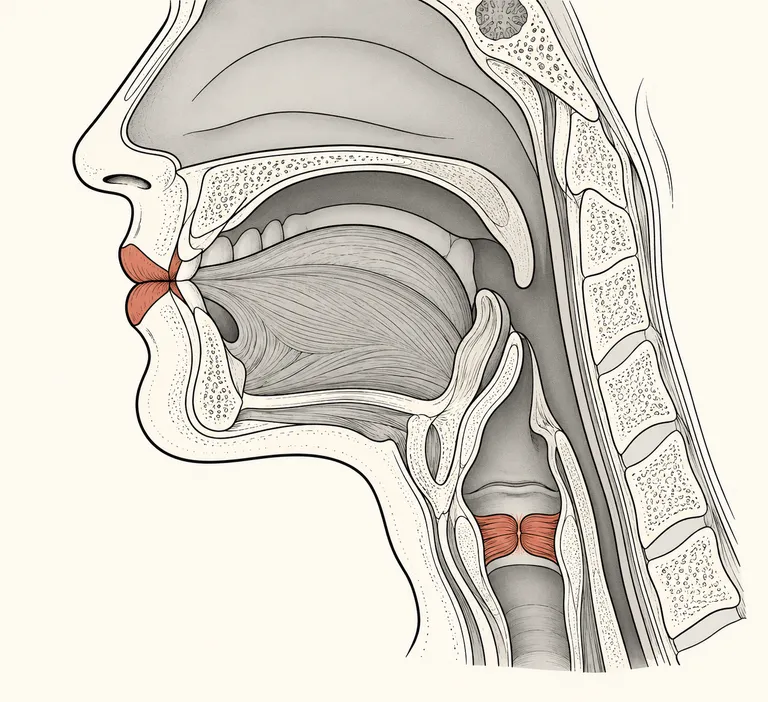
Jaw slightly open, lips neutral, larynx held steady to produce a high, level pitch.
Neutral rest / level toneJaw slightly open, lips neutral, larynx held steady to produce a high, level pitch.
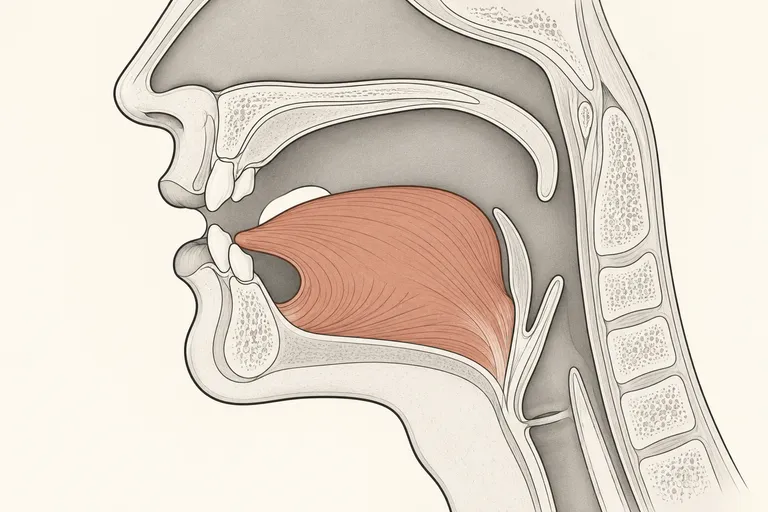
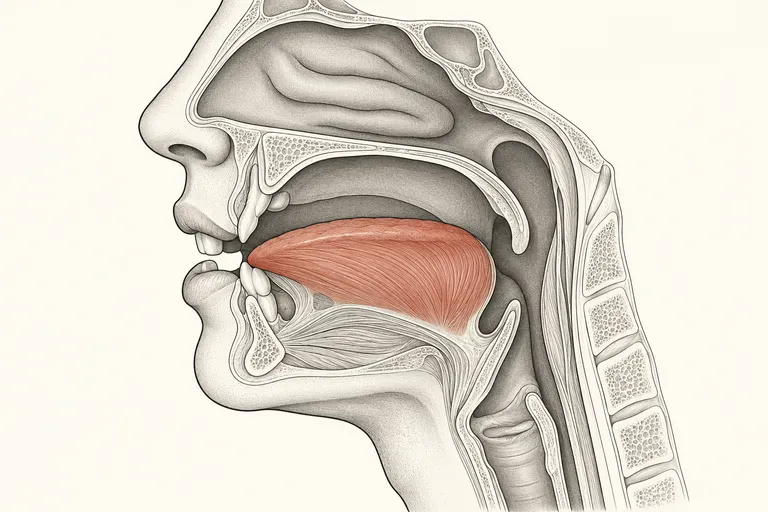
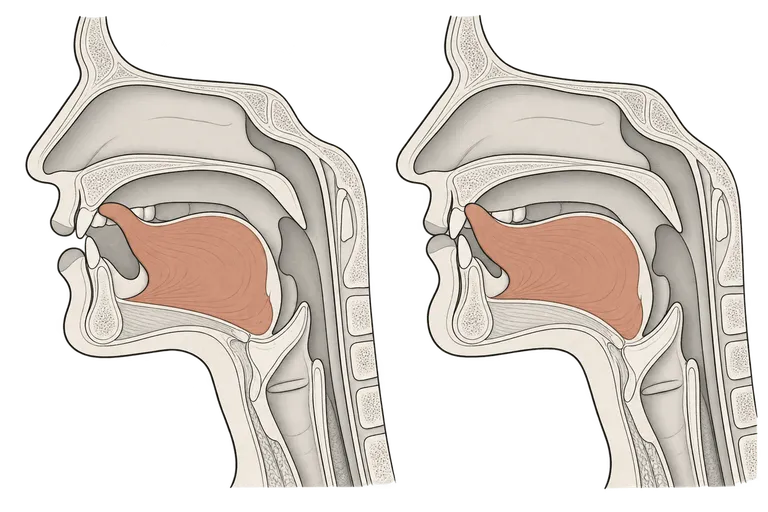
Tongue tip curls back toward the hard palate, a shape not used in English consonants.
Retroflex consonant articulationTongue tip curls back toward the hard palate, a shape not used in English consonants.
Mandarin keeps a fairly compact, neutral mouth shape; the main articulatory 'work' happens in the larynx (pitch/tone) and in tongue-tip curling for retroflex sounds.

What marks your accent most

Ranked by how strongly each difference signals a Mandarin Chinese accent to American listeners.

How Mandarin Chinese moves

sourced

Mandarin is usually described as syllable-timed: each syllable gets roughly equal time and weight, since word stress doesn't drive the rhythm the way it does in English. Instead, every full syllable carries its own tone, so the 'beat' you hear is really a sequence of short melodic movements, with only the toneless 'neutral tone' syllables shortened and de-emphasized.

Where Mandarin Chinese rests

sourced

Mandarin keeps the jaw and lips fairly neutral and compact — there's less wide opening or lip-spreading than in English. The tongue sits a bit further back and higher at rest, ready to curl its tip backward for sounds like zh, ch, sh, and r, and to round forward for the ü vowel. The real 'work' of Mandarin happens in the throat: the larynx constantly adjusts pitch to produce the four tones, so speaking feels more like singing short melodic shapes on every syllable than like the flatter pitch patterns English speakers use. Overall muscle tension stays moderate and is concentrated in these quick pitch-changing movements rather than in big jaw or lip motions, giving Mandarin its compact, controlled mouth posture.

Standard Mandarin (Putonghua/Guoyu), the broadcast/education norm in mainland China and Taiwan; notes on tone realization differences from other Chinese varieties (e.g., Cantonese) where relevant