/aɪ/as in my
You likely use your Mandarin ai diphthong for English words like 'my' and 'time', starting low and gliding up toward 'ee', which is a genuinely close match and usually sounds clear and natural without much extra effort.
What you probably do
You likely use your Mandarin ai diphthong for English words like 'my' and 'time', starting low and gliding up toward 'ee', which is a genuinely close match and usually sounds clear and natural without much extra effort.
How natives do it
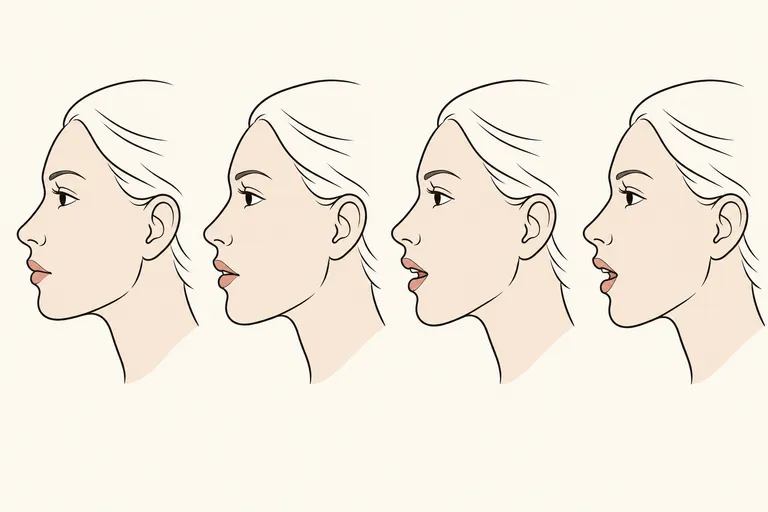
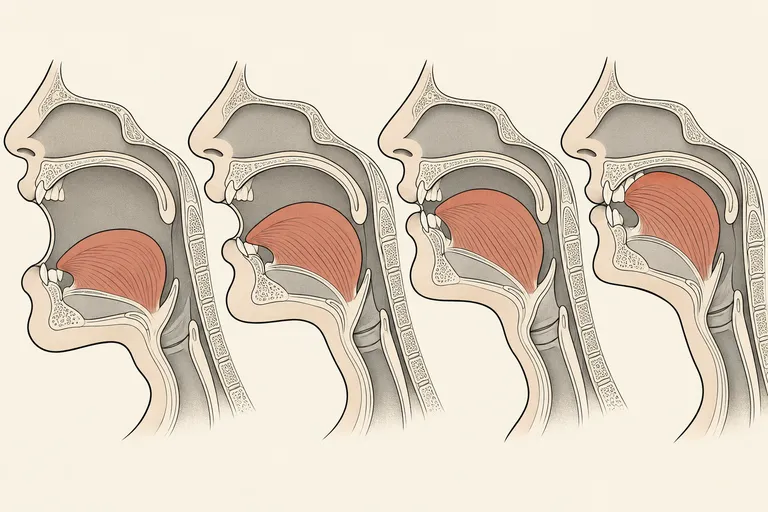
Americans start with the jaw wide open and the tongue low, like saying 'ah', then quickly close the jaw and slide the tongue up and forward toward an 'ee' position, completing the whole glide smoothly within one syllable, as in 'my' and 'time'.
Why it matters
Because this diphthong is already close to a sound you know well, it's rarely a major accent marker; just make sure the glide completes fully rather than staying too flat or short, since an incomplete glide can occasionally make 'time' sound closer to 'Tom'.
Hear the difference
Words this touches
Mandarin Chinese speakers often substitute /ai/.
How the mouth differs
Mandarin's own diphthong ai is very close in shape to English aɪ, starting low and central-back and gliding up toward a high front position; the main difference is that Mandarin ai can be produced slightly shorter or with a less complete glide, occasionally leaving the vowel sounding more monophthongal and closer to a plain low vowel.
Listen for the pattern
An incomplete glide can occasionally make words like 'time' sound closer to a flatter vowel such as in 'Tom', though this is a relatively minor issue since the core diphthong shape is already familiar from Mandarin.
Reader ratings and feedback are coming soon.
Sources (1)
- Duanmu, S. (2007). The Phonology of Standard Chinese. Oxford University Press.