/tʃ/as in chair
You probably substitute your native retroflex 'ch' sound (pinyin ch), curling the tongue tip further back than English requires for the stop closure, since this is the closest and most automatic match in your existing…
What you probably do
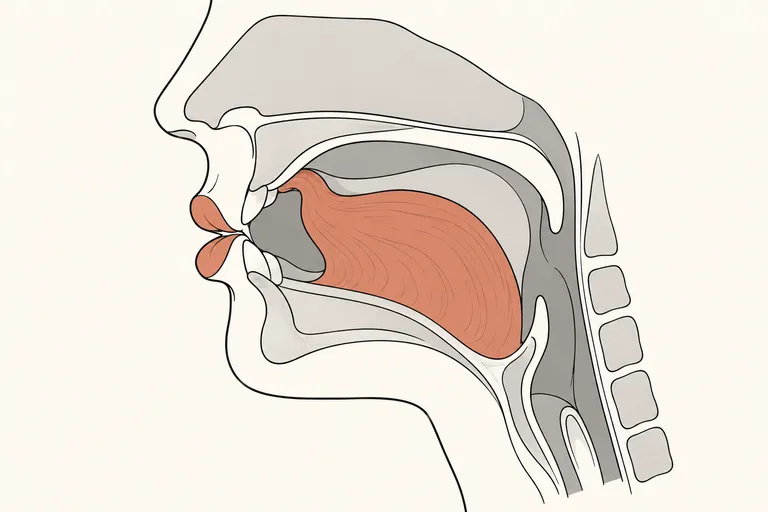
You probably substitute your native retroflex 'ch' sound (pinyin ch), curling the tongue tip further back than English requires for the stop closure, since this is the closest and most automatic match in your existing sound system for this kind of affricate.
How natives do it
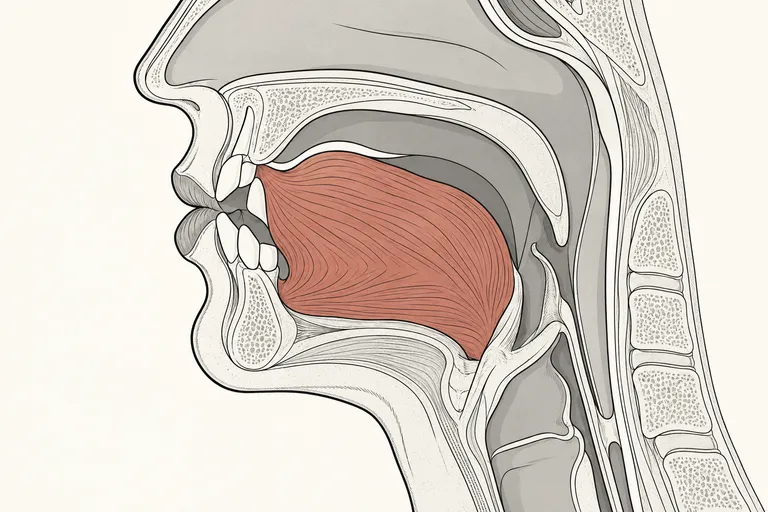
Americans seal the tongue tip against the alveolar ridge without curling it backward, then release into a bunched-tongue fricative just behind that spot, with the lips rounding slightly — giving a softer edge than the more retroflexed Mandarin version.
Why it matters
This difference is subtle and rarely causes real misunderstanding, but easing off the tongue-tip curl will make your 'ch' sound closer to the natural English quality, smoothing out one of several small features that together can mark a noticeable accent.
Hear the difference
Words this touches
Mandarin Chinese speakers often substitute /ʈʂʰ, tɕʰ/.
How the mouth differs
Mandarin has two aspirated affricates close to English tʃ: the retroflex ʈʂʰ (pinyin 'ch', tongue tip curled back) and the alveolo-palatal tɕʰ (pinyin 'q', tongue blade raised toward the palate). English tʃ is articulated with the tongue blade bunched just behind the alveolar ridge, without the full retroflexion of Mandarin ch. Learners often transfer the more retroflexed Mandarin articulation, giving the sound a slightly harder edge.
Listen for the pattern
Because both Mandarin alternatives are perceptually close to English tʃ, this substitution is rarely a source of real confusion, but it can contribute to an overall 'harder' or more retroflexed quality in the accent.
Reader ratings and feedback are coming soon.
Sources (1)
- Duanmu, S. (2007). The Phonology of Standard Chinese. Oxford University Press.