/w/as in win
You likely pronounce English w using your Hungarian v sound, touching your lower lip to your upper teeth and adding a buzzing friction.
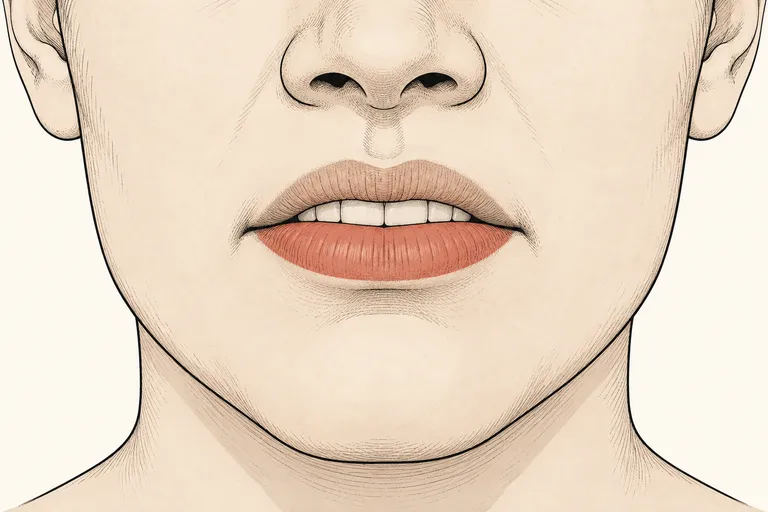
What you probably do
You likely pronounce English w using your Hungarian v sound, touching your lower lip to your upper teeth and adding a buzzing friction. This feels natural because Hungarian simply has no w sound of its own — v is the closest thing you already know how to make.
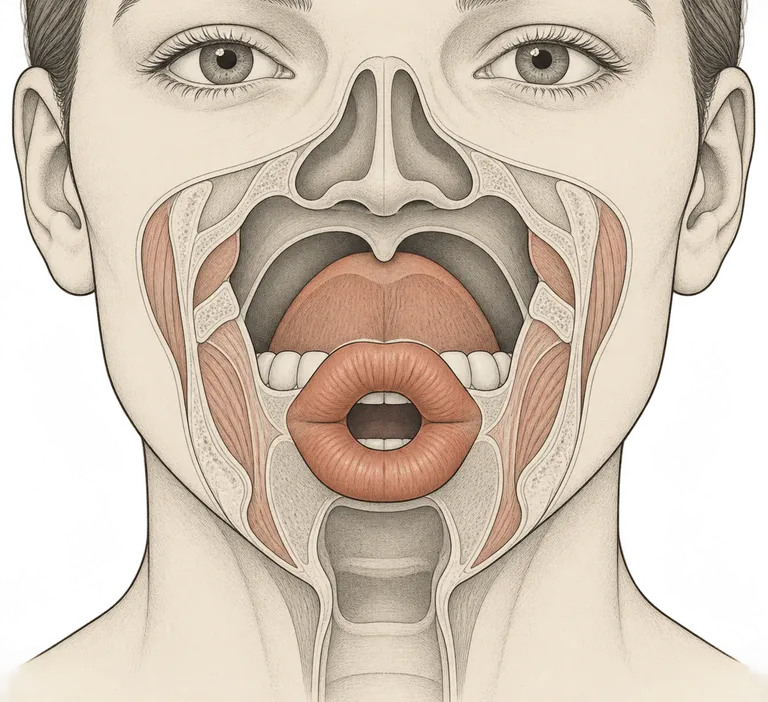
How natives do it
Native speakers round both lips forward like they're about to whistle, with the lips never touching the teeth, while the back of the tongue lifts toward the soft palate at the same time. The airflow stays smooth, with zero friction or buzzing — just a quick, rounded glide into the vowel.
Why it matters
Because v and w are separate phonemes in English, mixing them up creates real confusion: 'west' sounds like 'vest', 'wine' like 'vine'. Even when the meaning is guessable from context, the buzzing v-for-w substitution is instantly recognizable as a Hungarian accent and can distract listeners from your message.
Hear the difference
Words this touches
Hungarian speakers often substitute /v/.
How the mouth differs
Hungarian has no labio-velar approximant. The nearest Hungarian sound is the labiodental fricative v, made with the lower lip lightly touching the upper teeth and continuous friction. English w instead uses strong lip rounding/protrusion with no tooth contact plus simultaneous raising of the tongue back toward the velum, producing smooth, frictionless airflow.
Listen for the pattern
Replacing w with v turns 'west' into 'vest' and 'wine' into 'vine', creating real word confusions and giving English a buzzing, fricative quality that is one of the most recognizable markers of a Hungarian accent.
Reader ratings and feedback are coming soon.
Sources (1)
- Kenesei, I., Vago, R.M., & Fenyvesi, A. (1998). Hungarian: Descriptive Grammar.