/ɔɪ/as in boy
Because Spanish already has a nearly identical-looking glide in words like 'hoy' or 'soy', you probably start the sound from a higher, more tightly rounded position and glide all the way up to a full, close 'ee' sound…
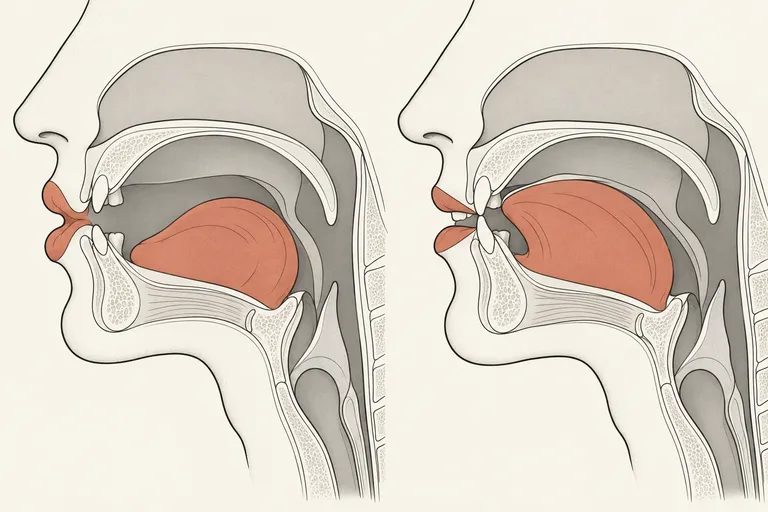
What you probably do
Because Spanish already has a nearly identical-looking glide in words like 'hoy' or 'soy', you probably start the sound from a higher, more tightly rounded position and glide all the way up to a full, close 'ee' sound at the end, matching the Spanish target vowel i.
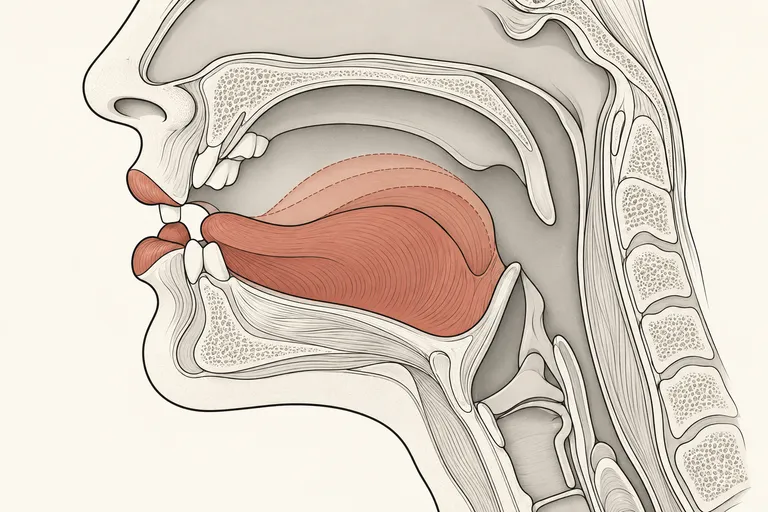
How natives do it
Americans start from a lower, more open position, similar to the vowel in 'law', hold it slightly longer, and then unround the lips and rise only partway, ending on a short 'ih' sound rather than a full 'ee'. This gives English ɔɪ a slightly wider, more relaxed feel than the tighter Spanish version.
Why it matters
This is a fine-grained quality difference rather than a major error, since the overall glide shape is already familiar to Spanish speakers; the main risk is sounding slightly overprecise or foreign in words like 'boy' or 'voice', which native listeners will still understand easily.
Hear the difference
Words this touches
Spanish speakers often substitute /oi/.
How the mouth differs
Spanish has a very similar glide in words like 'hoy' or 'soy', starting from a mid-back rounded o and moving quickly to i; American English ɔɪ starts from a slightly lower, more open ɔ position (as in 'law'), holds that starting point a bit longer, and unrounds the lips more noticeably as it glides up toward a short 'ih' rather than a full 'ee'.
Listen for the pattern
Starting the glide too high (from Spanish o rather than the lower ɔ) and finishing too far forward (toward full i rather than a shorter ɪ) can make English 'boy' or 'coin' sound slightly off, though the diphthong shape is close enough that comprehension is rarely at risk.
Reader ratings and feedback are coming soon.
Sources (1)
- Wells, J.C. (1982). Accents of English.