/u/as in food
You likely produce English u exactly like Spanish u — tongue pulled fully back, lips tightly rounded, and the vowel kept fairly short — because the two sounds seem identical at first.

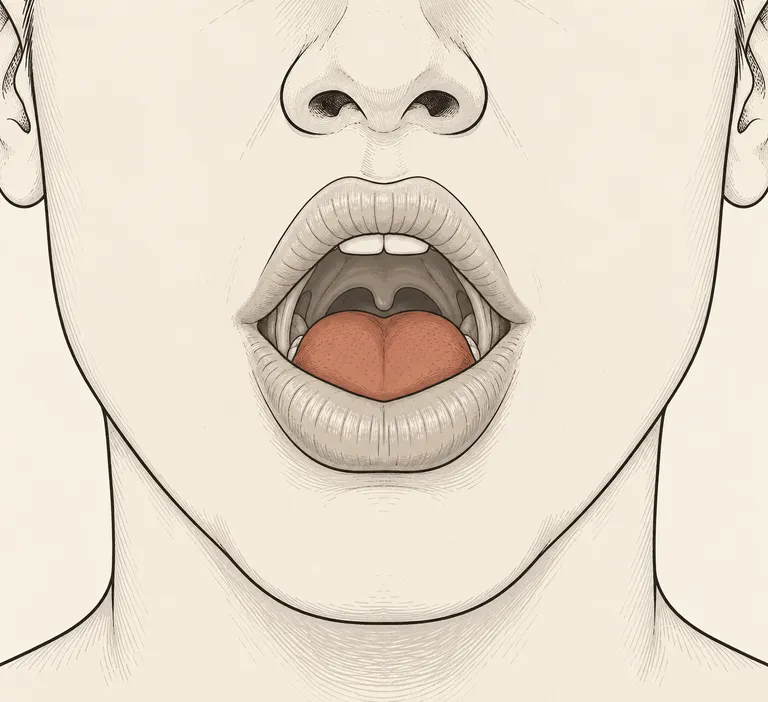
What you probably do
You likely produce English u exactly like Spanish u — tongue pulled fully back, lips tightly rounded, and the vowel kept fairly short — because the two sounds seem identical at first. This works well in many contexts but misses two features Americans expect: forward tongue movement after certain consonants and extra length.
How natives do it
After sounds like t, d, and n (as in 'tune' or 'dude'), Americans often pull the tongue noticeably forward, softening the strong back-rounded quality, and they hold the vowel longer than Spanish speakers typically do, especially before voiced consonants or at the end of words like 'blue'.
Why it matters
This vowel rarely causes confusion on its own, but if it is also shortened it can drift toward the short ʊ vowel, turning 'food' into something closer to 'foot' and reducing clarity for listeners who rely on vowel length to separate these words.
Hear the difference
Words this touches
Spanish speakers often substitute /u/.
How the mouth differs
Spanish u is produced with the tongue pulled straight back and lips tightly rounded in every context; American English u is often fronted and less extremely rounded, especially after coronal consonants like t, d, n (as in 'tune', 'dude'), and is also longer than the Spanish vowel.
Listen for the pattern
A fully back, tightly rounded u can sound overly rounded or foreign to American ears, though it rarely causes a breakdown in understanding; the risk is greater when the vowel is also shortened, making it drift toward ʊ and collapse pairs like 'food/foot'.
Reader ratings and feedback are coming soon.
Sources (2)
- Using multiple measures to document change in English vowels produced by Japanese, Korean, and Spanish speakers: the case for goodness and intelligibility. — Amber D Franklin, Carol Stoel-Gammon, 2014
- Both goodness ratings and intelligibility scores effectively captured improvements in vowel accuracy following pronunciation training.
- The relationship between goodness and intelligibility varies by vowel; vowels like /æ/ and /ʌ/ depend more on goodness for listener identification than /i/ and /e/.
- Some vowels received better mean intelligibility scores but poorer mean goodness ratings after training, indicating that high intelligibility does not always require high perceived quality.
- Wells, J.C. (1982). Accents of English.