/ʊ/as in book
Since Spanish only has one high back rounded vowel, you likely pronounce 'book' and 'put' with the same tight, tense 'oo' sound you use in Spanish words like 'tu' or 'su', rounding your lips strongly and pushing your…
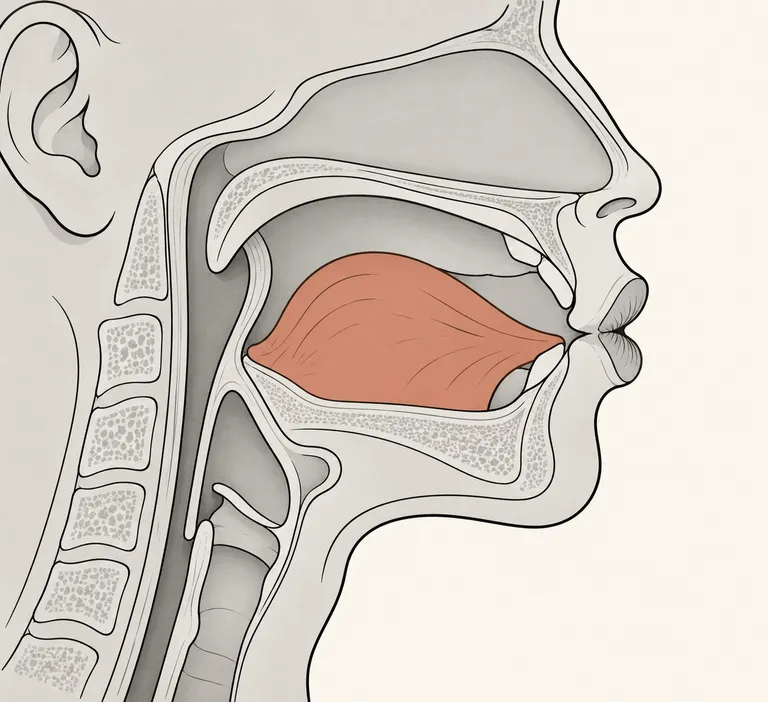
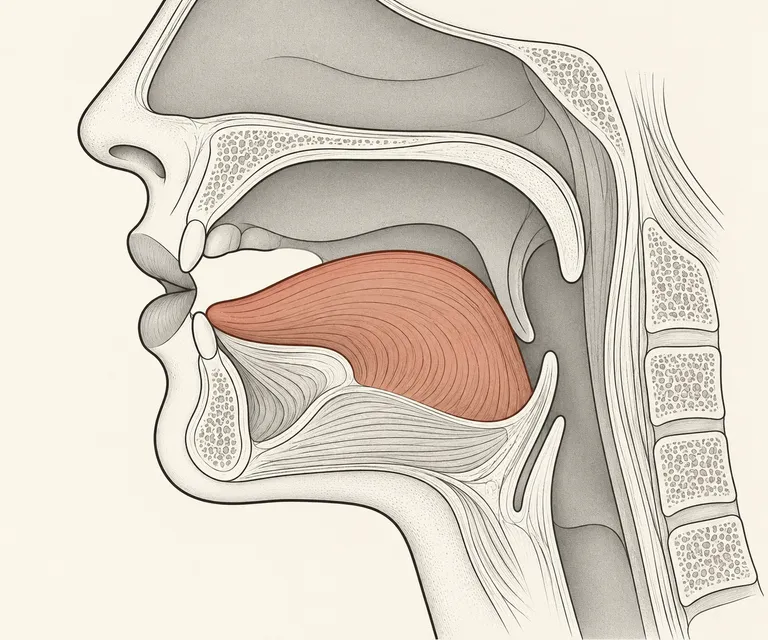
What you probably do
Since Spanish only has one high back rounded vowel, you likely pronounce 'book' and 'put' with the same tight, tense 'oo' sound you use in Spanish words like 'tu' or 'su', rounding your lips strongly and pushing your tongue all the way up and back.
How natives do it
Americans relax the tongue slightly lower and further from the back wall of the mouth, and round the lips only lightly rather than pursing them, keeping the vowel short and loose. The jaw also stays a touch more open than for the tense u in 'boot' or 'food'.
Why it matters
Using a tense u for ʊ collapses pairs like 'full/fool' and 'pull/pool' into the same sound, which can genuinely confuse listeners in context, not just mark an accent. Learning to relax and shorten this vowel is one of the highest-value vowel fixes for Spanish speakers of English.
Hear the difference
Words this touches
Spanish speakers often substitute /u/.
How the mouth differs
Spanish has only one high-back rounded vowel, u, which is tense and strongly rounded; English adds a separate lax vowel ʊ that is slightly lower, more centralized, and only lightly rounded. Since Spanish has no lax counterpart, learners typically substitute their single u for both English u and ʊ.
Listen for the pattern
Merging ʊ into u makes 'full' sound like 'fool' or 'pull' like 'pool' to American listeners, which can create real confusion in context since both members of these pairs are common, unrelated words.
Reader ratings and feedback are coming soon.
Sources (2)
- Using multiple measures to document change in English vowels produced by Japanese, Korean, and Spanish speakers: the case for goodness and intelligibility. — Amber D Franklin, Carol Stoel-Gammon, 2014
- Both goodness ratings and intelligibility scores effectively captured improvements in vowel accuracy following pronunciation training.
- The relationship between goodness and intelligibility varies by vowel; vowels like /æ/ and /ʌ/ depend more on goodness for listener identification than /i/ and /e/.
- Some vowels received better mean intelligibility scores but poorer mean goodness ratings after training, indicating that high intelligibility does not always require high perceived quality.
- Wells, J.C. (1982). Accents of English.