/o/, /oʊ/as in go
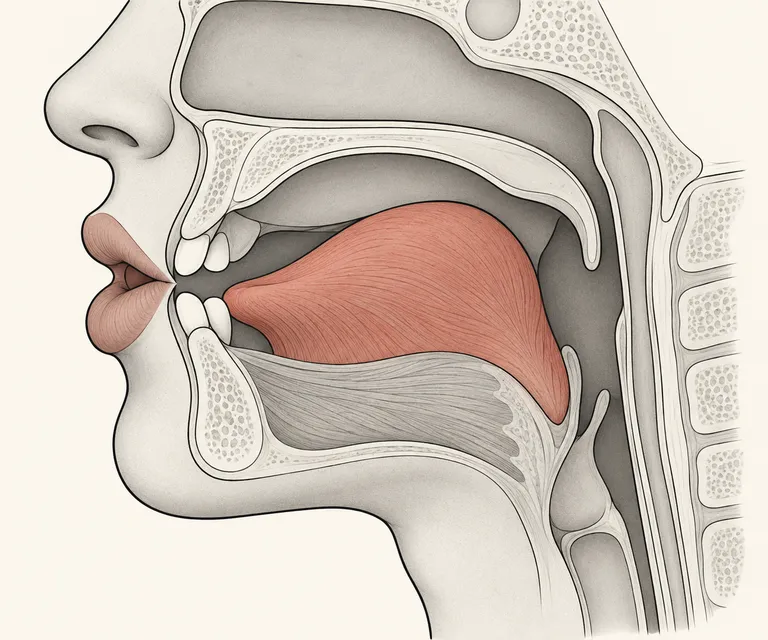
You probably say the English 'o' the same way you say Spanish 'o' in words like 'cosa' — a short, pure, unchanging vowel with no movement in your tongue or lips.
What you probably do
You probably say the English 'o' the same way you say Spanish 'o' in words like 'cosa' — a short, pure, unchanging vowel with no movement in your tongue or lips. This makes words like 'go' or 'boat' sound clipped, since your mouth reaches the target position and stops there instead of continuing to move.
How natives do it
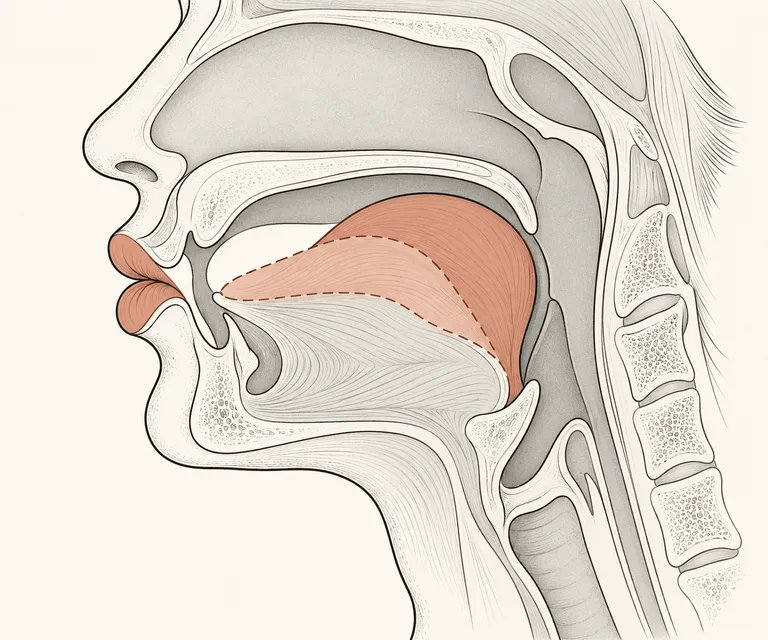
Americans start in a similar mid-back rounded position but then let the tongue rise a little and the lips round further as the sound finishes, gliding smoothly toward an 'oo'-like quality. The whole vowel takes slightly longer than a pure monophthong because of this extra movement, giving English 'o' its characteristic drawn-out, gliding quality.
Why it matters
Skipping the glide rarely causes a breakdown in understanding, but it is one of the most reliable markers of a Spanish accent in English and can make your 'o' sound closer to 'law' than 'low' in fast or careful speech. Adding the glide will make your vowels sound noticeably more native and reduce listener effort.
Hear the difference
Words this touches
Spanish speakers often substitute /o/.
How the mouth differs
Spanish o is a short pure monophthong with a fixed mid-back tongue position and steady rounded lips; American English o is typically a diphthong that begins similarly but glides upward and further back/rounded to oʊ, adding a second target the Spanish vowel lacks.
Listen for the pattern
Without the closing glide, English 'boat' or 'go' can sound clipped or slightly foreign to American ears, and the vowel may drift perceptually toward ɔ, occasionally causing momentary confusion with words like 'bought' or 'caught'.
Reader ratings and feedback are coming soon.
Sources (2)
- Using multiple measures to document change in English vowels produced by Japanese, Korean, and Spanish speakers: the case for goodness and intelligibility. — Amber D Franklin, Carol Stoel-Gammon, 2014
- Both goodness ratings and intelligibility scores effectively captured improvements in vowel accuracy following pronunciation training.
- The relationship between goodness and intelligibility varies by vowel; vowels like /æ/ and /ʌ/ depend more on goodness for listener identification than /i/ and /e/.
- Some vowels received better mean intelligibility scores but poorer mean goodness ratings after training, indicating that high intelligibility does not always require high perceived quality.
- Wells, J.C. (1982). Accents of English.