/aɪ/as in my
Since Spanish already has a very similar glide in words like 'hay' or 'aire', you probably produce English aɪ correctly in shape but too quickly, with a briefer, less wide jaw opening at the start, matching the tighter…
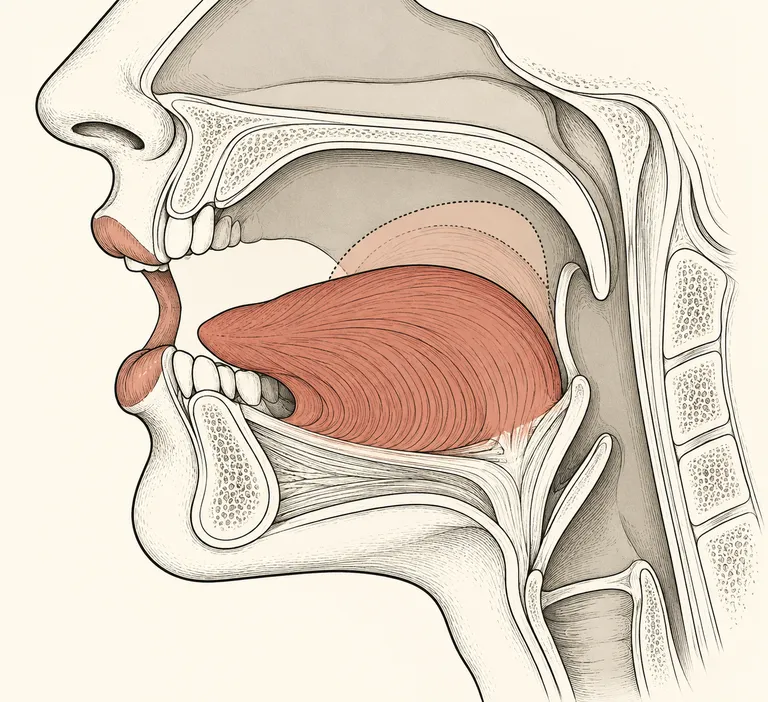
What you probably do
Since Spanish already has a very similar glide in words like 'hay' or 'aire', you probably produce English aɪ correctly in shape but too quickly, with a briefer, less wide jaw opening at the start, matching the tighter timing of the Spanish diphthong.
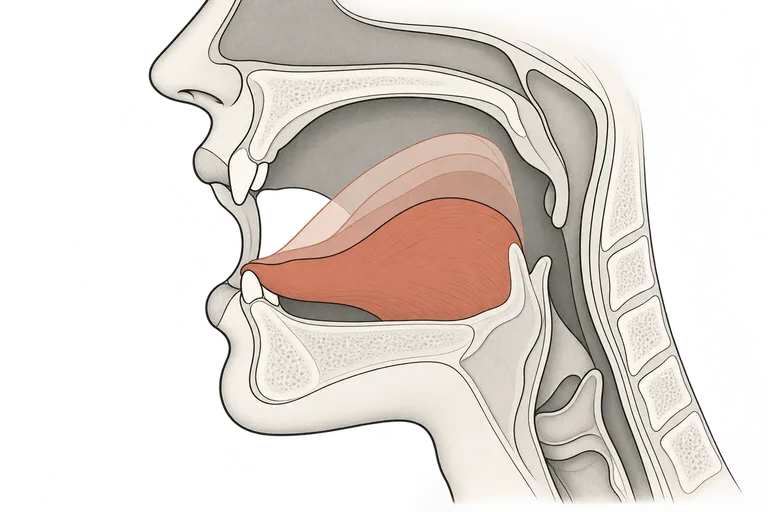
How natives do it
Americans open the jaw wider at the beginning and hold that low, open position noticeably longer before gliding upward, especially in open syllables like 'my' or before voiced sounds like in 'time' and 'five', giving the whole vowel more length and a more relaxed, drawn-out feel.
Why it matters
This is a relatively minor and forgivable difference since the underlying glide shape is already familiar to Spanish speakers, but rushing it can make stressed syllables sound clipped and occasionally blur short words like 'time' and 'Tim', so lengthening the onset will make your speech sound more naturally paced.
Hear the difference
Words this touches
Spanish speakers often substitute /ai/.
How the mouth differs
Spanish has a very similar sequence in words like 'hay' or 'aire', but it is produced faster and with less jaw opening at the onset; American English aɪ opens the jaw wider at the start and holds the low, central-back onset a little longer before gliding up to a near-high front position, giving the vowel more overall duration, especially before voiced consonants.
Listen for the pattern
A rushed, under-lengthened aɪ can sound clipped to American ears and, in careless speech, may drift close to the shorter ɪ vowel, occasionally blurring pairs like 'time/Tim' or 'kite/kit', though the risk is generally lower than for the pure vowels since the overall glide shape is already familiar from Spanish.
Reader ratings and feedback are coming soon.
Sources (1)
- Wells, J.C. (1982). Accents of English.