/dʒ/as in jump
You may devoice this sound into your native 'ch', making 'jump' sound like 'chump', or replace it with the looser Spanish 'y' sound, turning 'jail' into something closer to 'Yale', since Spanish has no dedicated voiced…
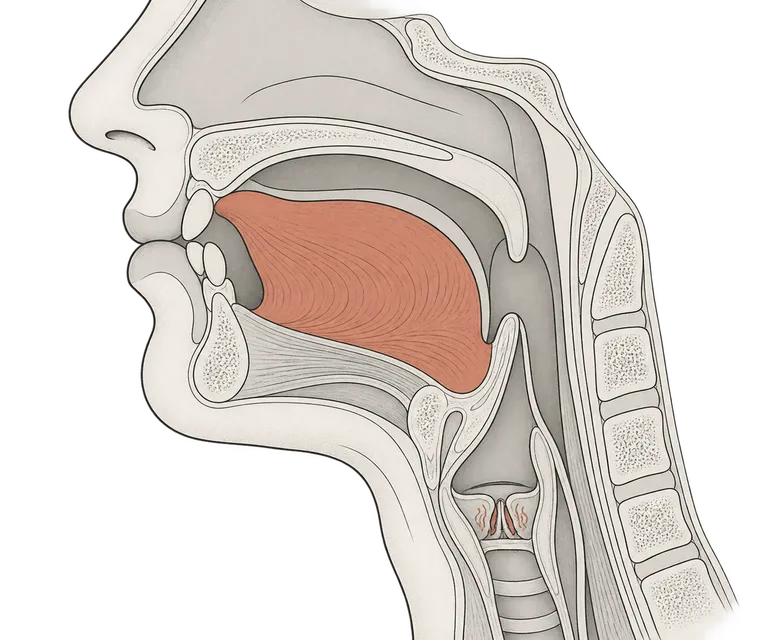
What you probably do
You may devoice this sound into your native 'ch', making 'jump' sound like 'chump', or replace it with the looser Spanish 'y' sound, turning 'jail' into something closer to 'Yale', since Spanish has no dedicated voiced affricate.
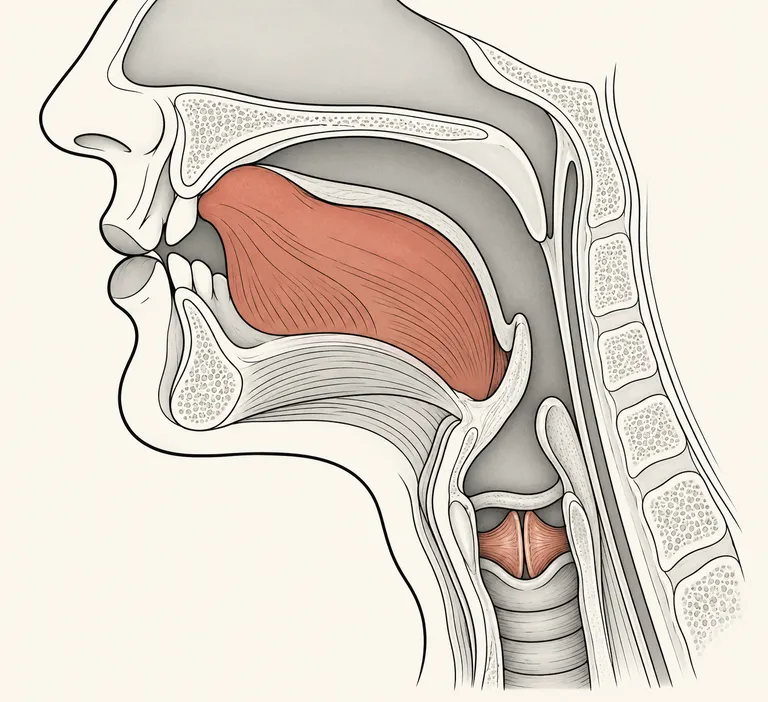
How natives do it
Press your tongue tip against the ridge just as you would for 'ch', but start your voice buzzing before you release the closure, so the burst that follows comes out voiced rather than a silent puff.
Why it matters
This sound distinguishes many everyday word pairs (jail/Yale, batch/badge, choke/joke); losing the voicing or softening it into 'y' can create genuine misunderstandings, not just an accent, especially with names and common verbs like 'jump' or 'judge'.
Hear the difference
Words this touches
Spanish speakers often substitute /tʃ, ʝ/.
How the mouth differs
Standard Spanish has no voiced postalveolar affricate; speakers substitute their existing voiceless tʃ (devoicing the sound) or, especially at the start of words spelled with 'y' or 'j' in English loanwords, use the softer palatal glide/fricative ʝ instead.
Listen for the pattern
Listeners commonly hear 'jump' as closer to 'chump', or hear an initial-y sound instead, so that 'jail' can sound like 'Yale' — both substitutions are noticeable and occasionally cause real confusion between similar-sounding word pairs.
Reader ratings and feedback are coming soon.
Sources (2)
- Wells, J.C. (1982). Accents of English.
- Hualde, J.I. (2005). The Sounds of Spanish. Cambridge University Press.