/tʃ/as in chair
You probably produce this sound just fine on its own, since Spanish 'ch' works almost identically, but you may occasionally use it in places where English actually needs the voiced dʒ, since Spanish doesn't have that…
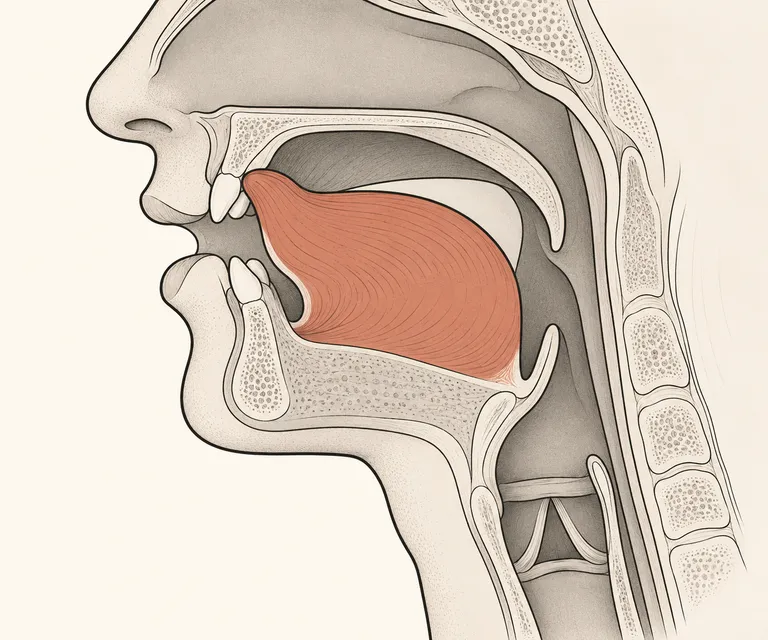
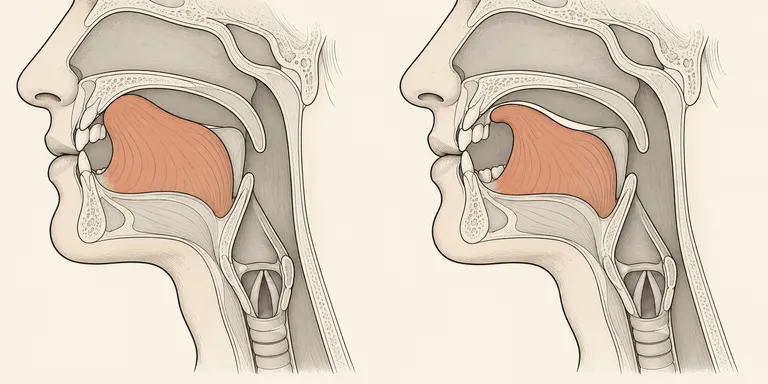
What you probably do
You probably produce this sound just fine on its own, since Spanish 'ch' works almost identically, but you may occasionally use it in places where English actually needs the voiced dʒ, since Spanish doesn't have that separate sound to contrast against.
How natives do it
Press the tongue tip firmly behind the top teeth to fully block air, round the lips slightly, then release into a short, crisp, voiceless hiss — exactly like your native 'ch', just staying alert to keep it apart from its voiced counterpart.
Why it matters
Because this sound transfers easily, it rarely marks a Spanish accent on its own, but confusing it with dʒ can accidentally swap the meaning of common word pairs like 'choke' and 'joke' or 'rich' and 'ridge'.
Hear the difference
Words this touches
Spanish speakers often substitute /tʃ/.
How the mouth differs
Spanish already has this affricate (as in 'mucho'), so production transfers well; the main risk is that because Spanish has no separate voiced counterpart dʒ, learners sometimes use their familiar tʃ for both sounds, neutralizing a distinction English keeps separate.
Listen for the pattern
The sound itself is rarely a source of foreign accent, but confusing it with its voiced partner dʒ can make word pairs like 'cheap' and 'jeep', or 'choke' and 'joke', sound identical to a listener.
Reader ratings and feedback are coming soon.
Sources (2)
- Wells, J.C. (1982). Accents of English.
- Hualde, J.I. (2005). The Sounds of Spanish. Cambridge University Press.