/j/as in yes
You probably add noticeable friction or buzz to this sound, especially at the start of a word, since most varieties of Spanish pronounce 'y' with more constriction than English does.
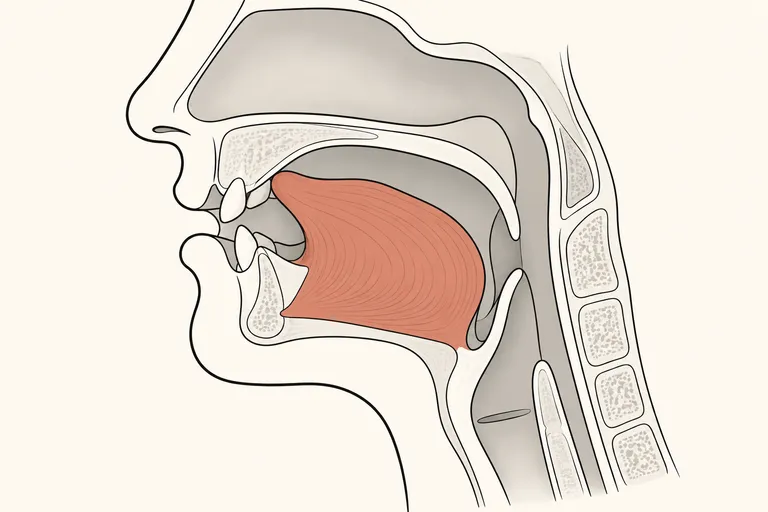
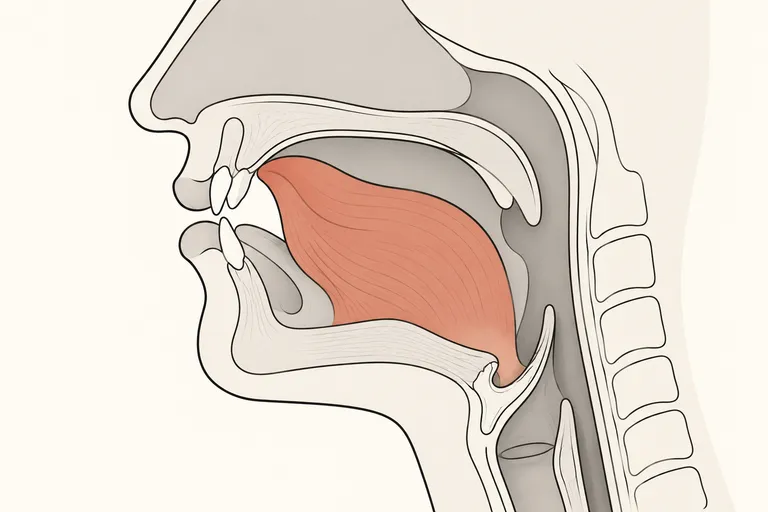
What you probably do
You probably add noticeable friction or buzz to this sound, especially at the start of a word, since most varieties of Spanish pronounce 'y' with more constriction than English does.
How natives do it
Raise the front of your tongue close to the roof of your mouth, almost like starting a long 'ee', but keep the contact loose and glide quickly into the next vowel without holding any buzz or friction.
Why it matters
A stronger, buzzier y can occasionally make words like 'yolk' or 'yam' sound close to their j-initial counterparts 'joke' or 'jam', and it adds a small but persistent accent cue to very frequent words like 'yes' and 'you'.
Hear the difference
Words this touches
Spanish speakers often substitute /ʝ/.
How the mouth differs
Most Spanish speakers (yeísmo) pronounce the letter y with more friction than the smooth English glide, using a palatal fricative or even an approximant with audible buzz, especially word-initially, rather than the light, quickly-moving tongue position English uses.
Listen for the pattern
An overly frictioned y can make words like 'yes' or 'yellow' sound closer to 'jes' or a buzzy hybrid between y and j, which occasionally blurs the line with words that actually start with the English j sound.
Reader ratings and feedback are coming soon.
Sources (2)
- Wells, J.C. (1982). Accents of English.
- Hualde, J.I. (2005). The Sounds of Spanish. Cambridge University Press.