Final consonant release
Because Spanish syllables almost always end in a vowel or one of a short list of consonants, you're used to giving every final consonant a clear, complete articulation, and your ear expects a vowel to follow it.
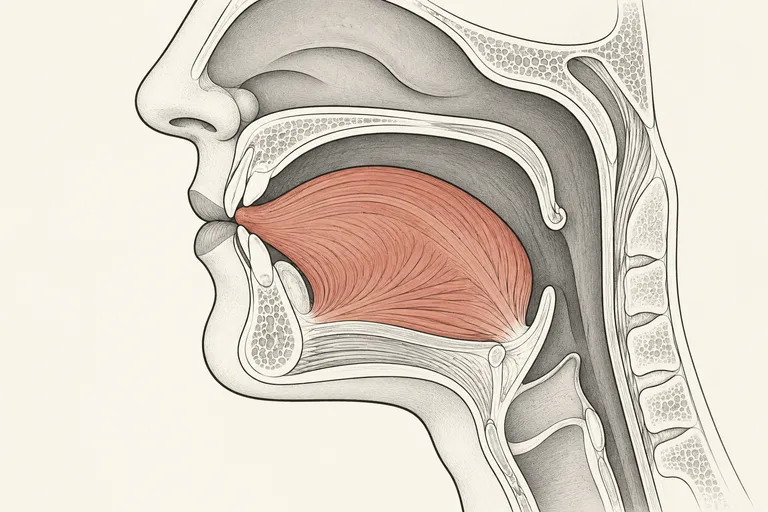
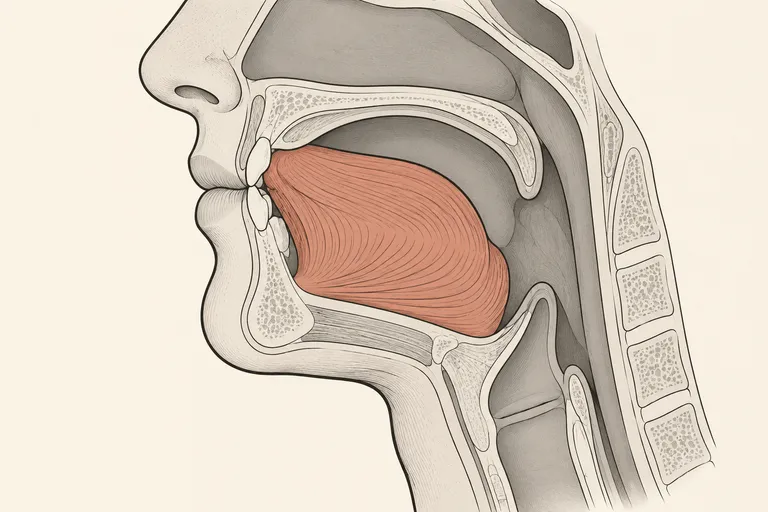
What you probably do
Because Spanish syllables almost always end in a vowel or one of a short list of consonants, you're used to giving every final consonant a clear, complete articulation, and your ear expects a vowel to follow it. When English words end in stops like 'stop', 'that', or 'book', you may fully release them with an audible puff of air, or add a faint extra vowel afterward, finishing the syllable the Spanish way.
How natives do it
American English speakers frequently leave final stop consonants unreleased or only very lightly released, especially before a pause — the articulators reach the closure position but the air is barely or never released audibly. 'Stop' can end almost silently, with just the mouth shape of a p and no popping sound. Clusters at the end of words, like in 'texts' or 'exact', are also common and are not broken up with extra vowels.
Why it matters
Adding a release burst or trailing vowel after English final consonants makes your speech sound longer than it should and signals a foreign accent instantly, even when every sound is otherwise correct. Native listeners use the clipped, often silent endings of English words as a rhythmic cue that a phrase is complete. Practicing a withheld release on final stops, instead of finishing them Spanish-style, will make your endings sound crisp and native.
How the mouth differs
English phrase-final stops are frequently articulated with full oral closure but with the release withheld or only lightly audible (sometimes reinforced by a glottal stop), and word-final consonant clusters are left intact without added vowels; Spanish, whose syllables almost always end in a vowel or one of a short list of consonants (n, s, l, r, d), leads learners to add a full audible release burst, or a short epenthetic vowel, after English final consonants, and to simplify unfamiliar final clusters.
Listen for the pattern
An added vowel or strong release after final consonants is one of the clearest giveaways of a Spanish-influenced accent, since it disrupts the expected word-final silence native listeners rely on to judge where a phrase ends.
Try these sentences
- Please stop.final p is often left unreleased before a pause in American English; Spanish habits add a full release or trailing vowel, 'stop-uh'
- That's a good book.final k in 'book' is typically unreleased before a pause; Spanish habits tend to release it fully, sometimes with an extra vowel
- I need the exact address.final clusters like those in 'exact' are common in English; Spanish phonotactics avoid such codas, prompting vowel insertion or simplification
Reader ratings and feedback are coming soon.
Sources (1)
- Wells, J.C. (1982). Accents of English.