/p/, /pʰ/as in pen
You pronounce initial p just fine, since Mandarin already has a strongly puffed p sound.
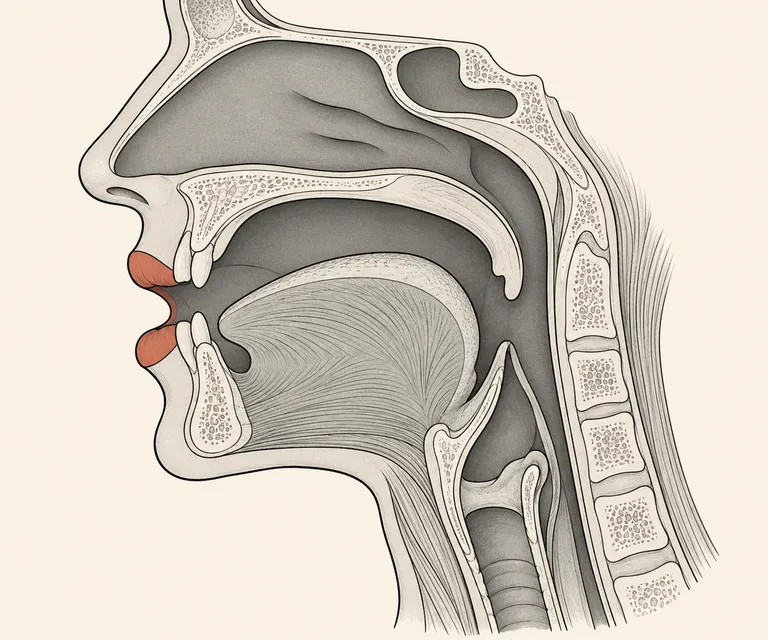
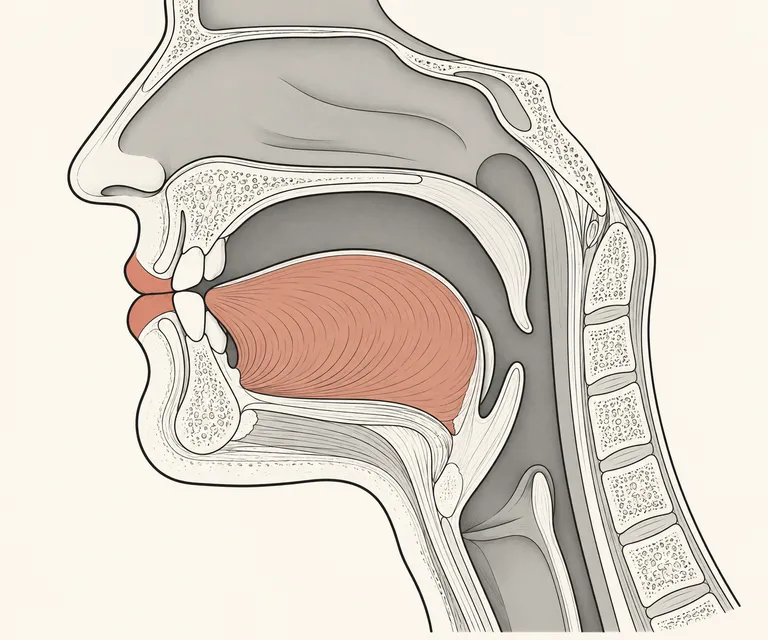
What you probably do
You pronounce initial p just fine, since Mandarin already has a strongly puffed p sound. But at the end of words like 'cap', 'stop', or 'soup', you likely either drop the p entirely, replace it with a slight glottal catch, or add a small extra vowel sound after it, because no Mandarin syllable is allowed to end in a stop consonant like this.
How natives do it
Americans simply press the lips together at the end of the word and either hold that silent closure briefly or release it with no extra puff of air and no added vowel. The tongue and jaw stay otherwise still; nothing audible needs to happen after the lips meet — the closure itself is often enough to signal the sound.
Why it matters
Because English relies on these quiet final consonants to keep words apart, dropping or vowel-izing them can turn 'cap' into 'ca' or make 'soup' sound like 'sue'. Practicing a clean, silent lip closure at word endings will make your speech sound crisper and prevent listeners from mishearing word boundaries.
Hear the difference
Words this touches
Mandarin Chinese speakers often substitute /p̚, pə/.
How the mouth differs
Syllable-initial English p is strongly aspirated, much like Mandarin pʰ, so onsets are not the problem. The real mismatch is in coda position: Mandarin syllables never end in a stop consonant, so learners transfer that habit and delete, glottalize, or add a vowel after word-final p instead of making a light, often unreleased, lip closure.
Listen for the pattern
Listeners expect a brief lip closure (even silent) at the end of words like 'cap' or 'soup'; dropping it or adding an extra vowel makes words sound clipped or turns them into a different word entirely, and can momentarily block comprehension in fast speech.
Reader ratings and feedback are coming soon.
Sources (2)
- Common Accent Features of Mandarin Chinese Speakers in English — 2026
- Mandarin speakers frequently soften or drop final consonants (e.g., 'seat' becoming 'see') because Mandarin syllables rarely end in stops.
- An extra schwa vowel (/ə/) often appears at the end of English words, creating an unnatural two-syllable rhythm where English requires a single stressed syllable.
- Consonant clusters common in English (e.g., 'texts', 'school') are simplified or omitted by Mandarin speakers due to the language's avoidance of stacked consonants.
- Wells, J.C. (1982). Accents of English.