/o/, /oʊ/as in go
You likely pronounce the vowel in 'go' or 'boat' using your Mandarin o, rounding your lips and raising the back of your tongue, but holding the vowel steady rather than letting it glide further, the way Mandarin's own…
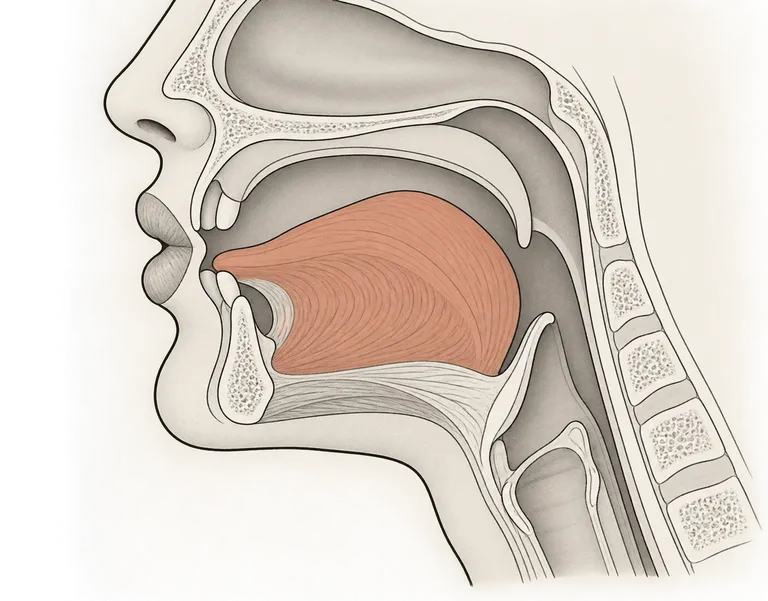

What you probably do
You likely pronounce the vowel in 'go' or 'boat' using your Mandarin o, rounding your lips and raising the back of your tongue, but holding the vowel steady rather than letting it glide further, the way Mandarin's own vowel behaves.
How natives do it
Americans start in nearly the same rounded, mid-back position, but then let the lips round further and the tongue rise and move slightly more back as the vowel finishes, gliding gently toward an 'oo' quality, as in 'go' or 'know'.
Why it matters
Because your starting point is already close to correct, the main adjustment is adding a small, smooth glide at the end rather than holding the vowel flat; without it, your English vowels can sound slightly clipped or foreign, even though the core vowel quality is already quite good.
Hear the difference
Words this touches
Mandarin Chinese speakers often substitute /o/.
How the mouth differs
Mandarin o is a back rounded vowel fairly close in starting quality to English o, but it is usually produced as a purer, shorter monophthong with less glide, whereas English o in stressed syllables typically diphthongizes further upward and backward toward u over the course of the vowel.
Listen for the pattern
Under-gliding this vowel can make English words sound clipped and can occasionally pull 'boat' perceptually closer to the lower vowel in 'bought', though this is usually a milder issue than the missing ɔ vowel itself.
Reader ratings and feedback are coming soon.
Sources (1)
- Duanmu, S. (2007). The Phonology of Standard Chinese. Oxford University Press.