/ɔ/as in law
You likely use your Mandarin 'o' vowel, with its higher tongue position and tighter lip rounding, for English words like 'law' and 'caught', since Mandarin has no separate, lower, more loosely rounded vowel at this…
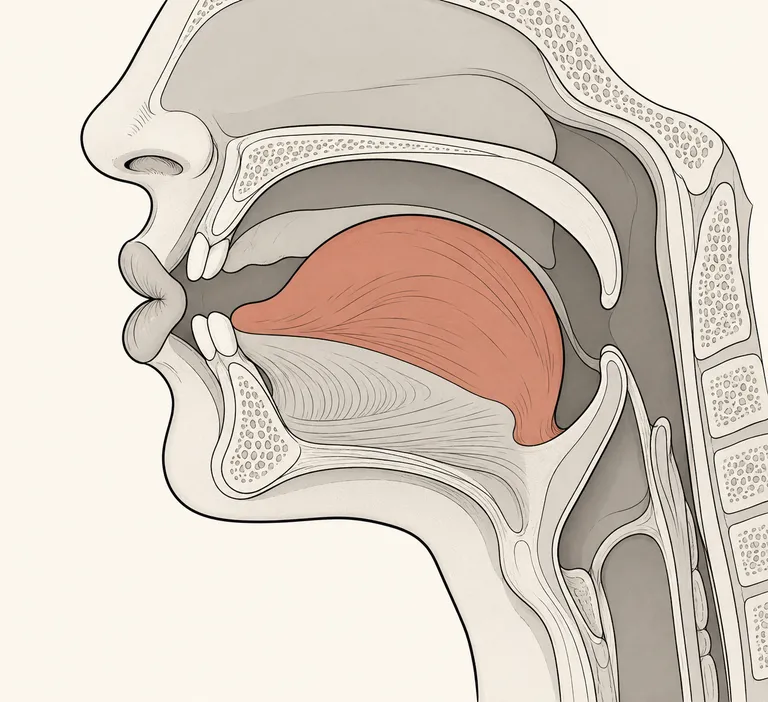
What you probably do
You likely use your Mandarin 'o' vowel, with its higher tongue position and tighter lip rounding, for English words like 'law' and 'caught', since Mandarin has no separate, lower, more loosely rounded vowel at this position.
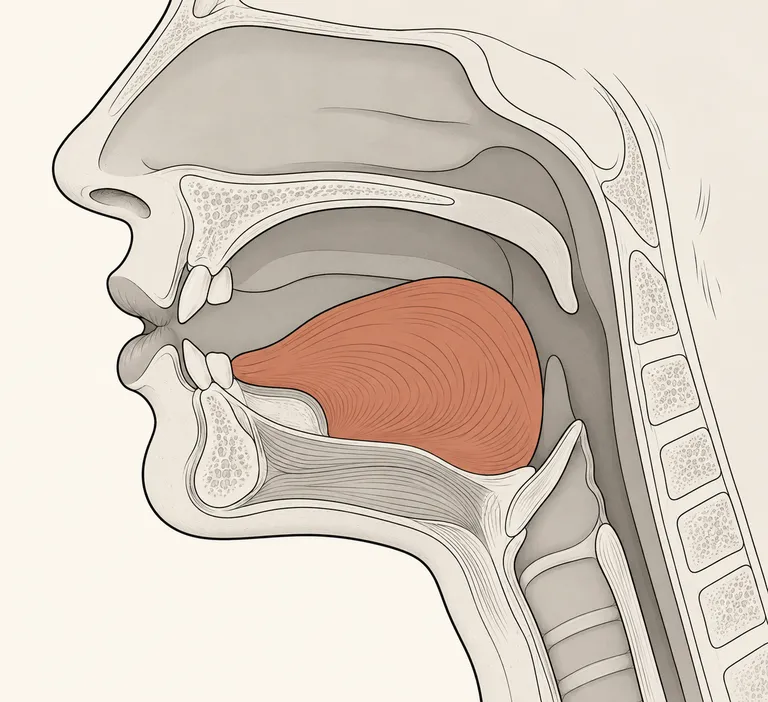
How natives do it
Americans round the lips only gently, keep the jaw moderately open, and pull the tongue back and only slightly raised compared to the open 'ah' vowel, producing the vowel in 'law' or 'caught'. It sits noticeably lower and looser than Mandarin's tighter 'o'.
Why it matters
Using the higher, tighter Mandarin 'o' instead can make 'law' sound like 'low' or 'caught' like 'coat' to native listeners, causing genuine word confusion. Loosening your lip rounding and lowering your jaw slightly for this vowel will make these common words much clearer.
Hear the difference
Words this touches
Mandarin Chinese speakers often substitute /o/.
How the mouth differs
Mandarin has no steady mid-low back rounded monophthong matching English ɔ; its closest resource is the higher, more strongly rounded 'o', which Mandarin speakers substitute, raising the tongue and tightening the lip rounding more than the target vowel requires.
Listen for the pattern
Substituting the higher Mandarin 'o' for ɔ often makes 'law' sound like 'low' or 'caught' like 'coat', creating real confusion since English distinguishes these as separate vowel categories.
Reader ratings and feedback are coming soon.
Sources (1)
- Duanmu, S. (2007). The Phonology of Standard Chinese. Oxford University Press.