/k/, /kʰ/as in cat
Your word-initial /k/ is probably already accurate, since it closely matches Mandarin's aspirated kʰ.
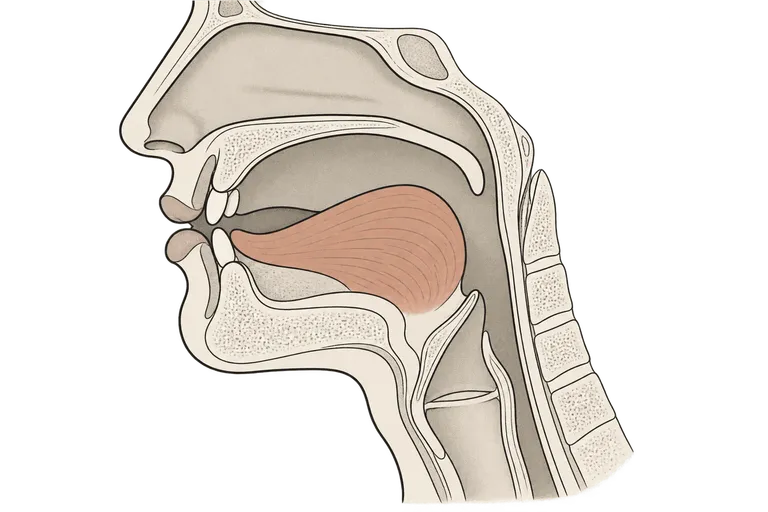
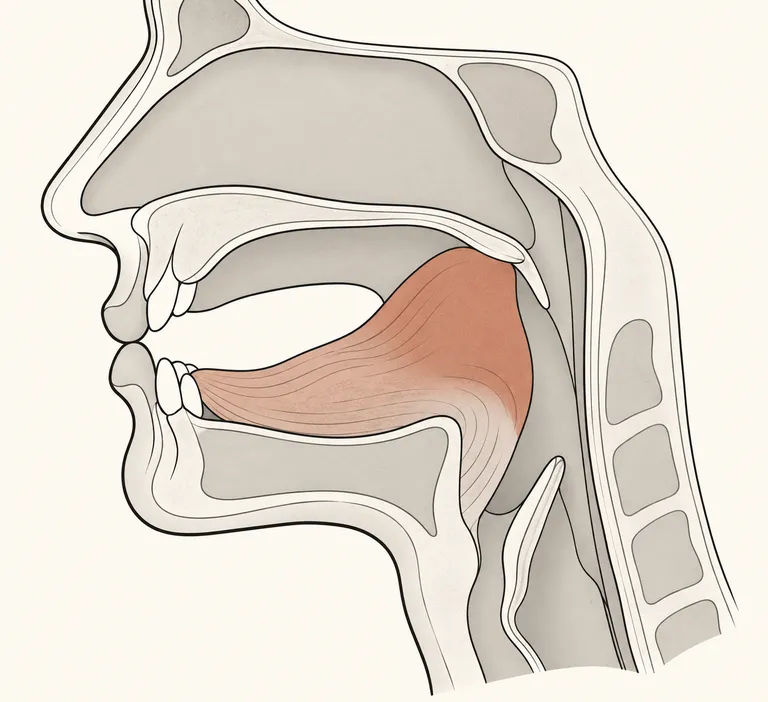
What you probably do
Your word-initial /k/ is probably already accurate, since it closely matches Mandarin's aspirated kʰ. But at the end of words like 'back' or 'lock', you likely drop the /k/, replace it with a slight glottal catch, or add a small vowel after it, since Mandarin syllables are never allowed to end in an oral stop like this.
How natives do it
Americans simply raise the back of the tongue to seal against the soft palate at the end of the word and hold that silent closure, releasing it very lightly if at all — no extra vowel, no strong puff of air. The tongue tip stays completely uninvolved and relaxed the whole time.
Why it matters
Dropping or vowel-izing final /k/ can erase the distinction between words like 'back' and 'bag', or make endings sound incomplete. Practicing a clean, silent velar closure at word endings will make multi-syllable words and plurals sound much more natural and precise.
Hear the difference
Words this touches
Mandarin Chinese speakers often substitute /k̚, kə/.
How the mouth differs
Word-initial English k matches Mandarin kʰ closely, so onsets are rarely a problem. The difficulty is coda position: Mandarin syllables can only end in a vowel, n, or ng, never in an oral stop like k, so learners often delete final /k/, replace it with a glottal catch, or insert a short vowel after it.
Listen for the pattern
Listeners use the final /k/ closure (even when unreleased) to keep words like 'back' and 'bag' apart; dropping it or adding a vowel can make words sound unfinished or shift them toward a different word entirely.
Reader ratings and feedback are coming soon.
Sources (2)
- Common Accent Features of Mandarin Chinese Speakers in English — 2026
- Mandarin speakers frequently soften or drop final consonants (e.g., 'seat' becoming 'see') because Mandarin syllables rarely end in stops.
- An extra schwa vowel (/ə/) often appears at the end of English words, creating an unnatural two-syllable rhythm where English requires a single stressed syllable.
- Consonant clusters common in English (e.g., 'texts', 'school') are simplified or omitted by Mandarin speakers due to the language's avoidance of stacked consonants.
- Wells, J.C. (1982). Accents of English.