/ɛ/as in bed
You likely pronounce the vowel in 'bed' or 'said' with a tongue position that's a bit too high and front, closer to the glide you use in Mandarin ei, since Mandarin has no separate steady vowel at this exact height and…
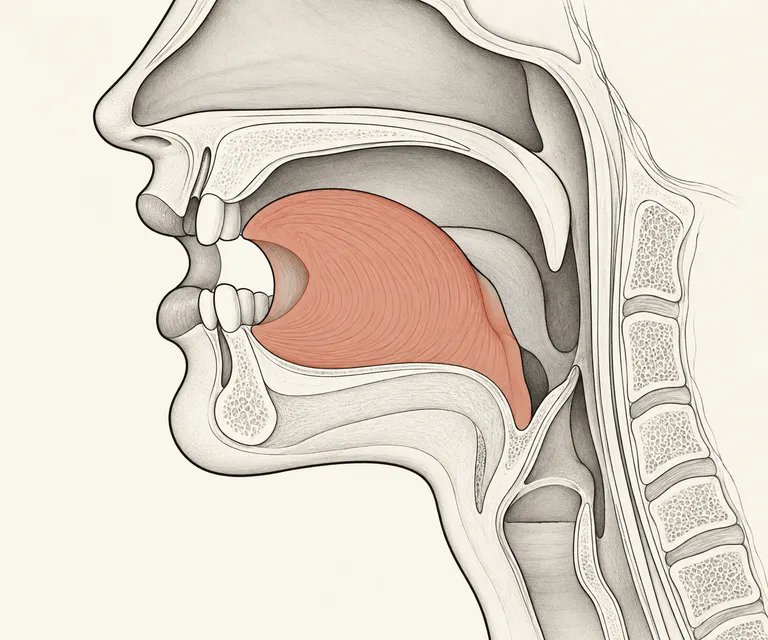
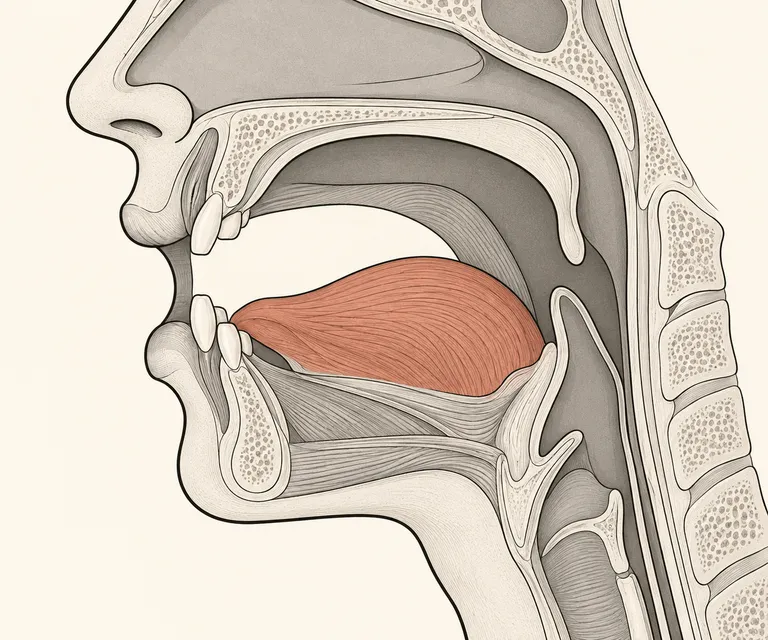
What you probably do
You likely pronounce the vowel in 'bed' or 'said' with a tongue position that's a bit too high and front, closer to the glide you use in Mandarin ei, since Mandarin has no separate steady vowel at this exact height and openness.
How natives do it
Americans open the jaw a bit more than for the 'ay' vowel and keep the tongue flat and steady in a mid-low front position for the whole sound, without letting it rise or glide anywhere. This is the short 'eh' sound in 'bed' and 'said'.
Why it matters
Raising this vowel toward e makes common word pairs like 'bet' and 'bait', or 'wet' and 'wait', sound alike to native listeners, which can genuinely confuse meaning in everyday conversation. Practicing a lower, steadier jaw position for this vowel, without letting it glide, is a high-value fix.
Hear the difference
Words this touches
Mandarin Chinese speakers often substitute /e/.
How the mouth differs
Mandarin has no standalone mid-low front monophthong matching English ɛ; its closest front-vowel resources are the higher, gliding ei diphthong and the vowel found in the diphthong ie. Learners typically raise and sometimes glide this vowel toward the e/ei quality, rather than holding a steady, lower, jaw-open position.
Listen for the pattern
Raising ɛ toward e causes pairs like 'bet' and 'bait' to merge for the listener, which is a frequent and noticeable source of word-level misunderstanding for Mandarin-speaking learners.
Reader ratings and feedback are coming soon.
Sources (1)
- Duanmu, S. (2007). The Phonology of Standard Chinese. Oxford University Press.