/e/, /eɪ/as in day
You probably pronounce the vowel in 'day' or 'they' using the same ei sound you already have in Mandarin words, gliding from a mid-front position up toward 'ee'.
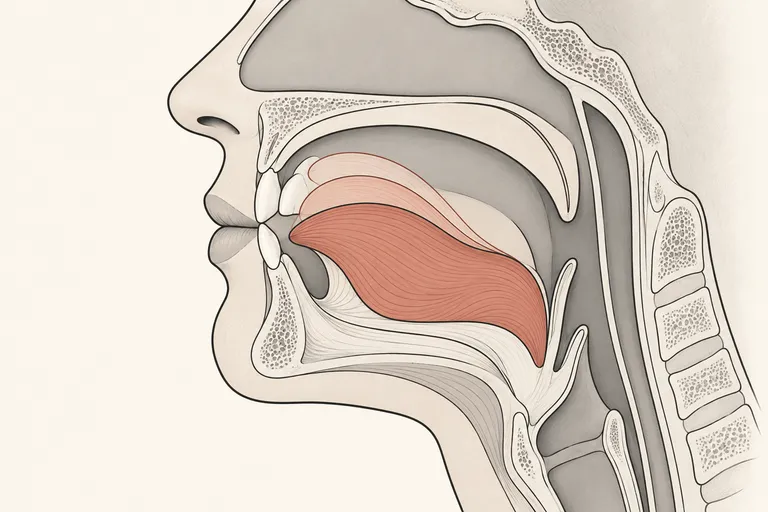
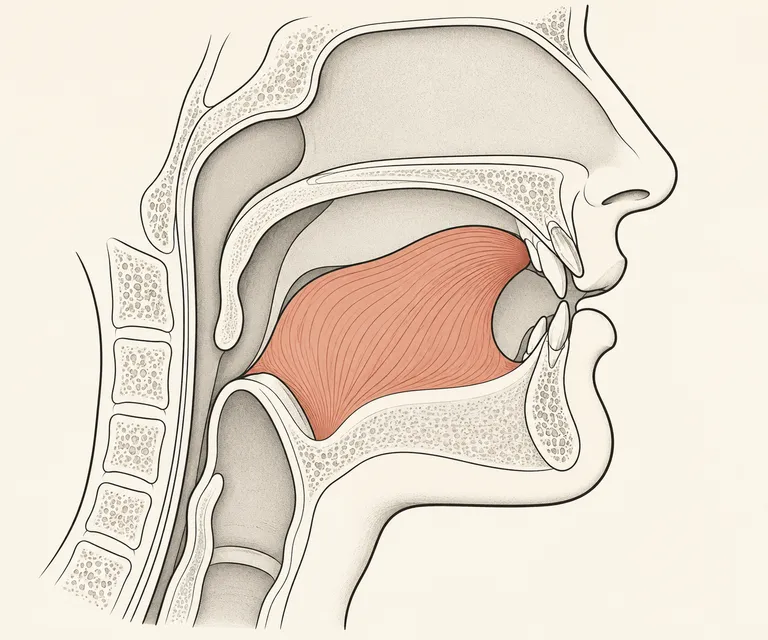
What you probably do
You probably pronounce the vowel in 'day' or 'they' using the same ei sound you already have in Mandarin words, gliding from a mid-front position up toward 'ee'. This is a genuinely close match, so these words usually come out sounding clear and natural.
How natives do it
Americans produce nearly the same glide, starting at a mid-front tongue position and moving smoothly and briefly upward and forward, as in 'day' or 'eight'. The glide is usually kept fairly short and consistent across different words and speaking styles.
Why it matters
Since this vowel is already close to a sound you know well, it's rarely the main source of your accent. The bigger risk is using this same clear glide for the separate, lower vowel in words like 'bet' or 'let', since Mandarin doesn't distinguish these two qualities as sharply as English does.
Hear the difference
Words this touches
Mandarin Chinese speakers often substitute /ei/.
How the mouth differs
Mandarin has a closely matching diphthong, ei, with a similar mid-front starting point and upward glide, so the basic shape of this English sound is already familiar; differences are mainly in the exact onset height and the length and smoothness of the glide, which is more consistently produced in English.
Listen for the pattern
Because this English sound has such a close Mandarin counterpart, it causes relatively few problems on its own, but some learners also use it as a catch-all for the lower English vowel in words like 'bet', creating confusion with that separate sound instead.
Reader ratings and feedback are coming soon.
Sources (1)
- Duanmu, S. (2007). The Phonology of Standard Chinese. Oxford University Press.