/ʒ/as in vision
In the handful of English words that end in ʒ, such as 'garage' or 'beige', you may let the voicing drop out entirely, producing what is effectively ʃ.
What you probably do
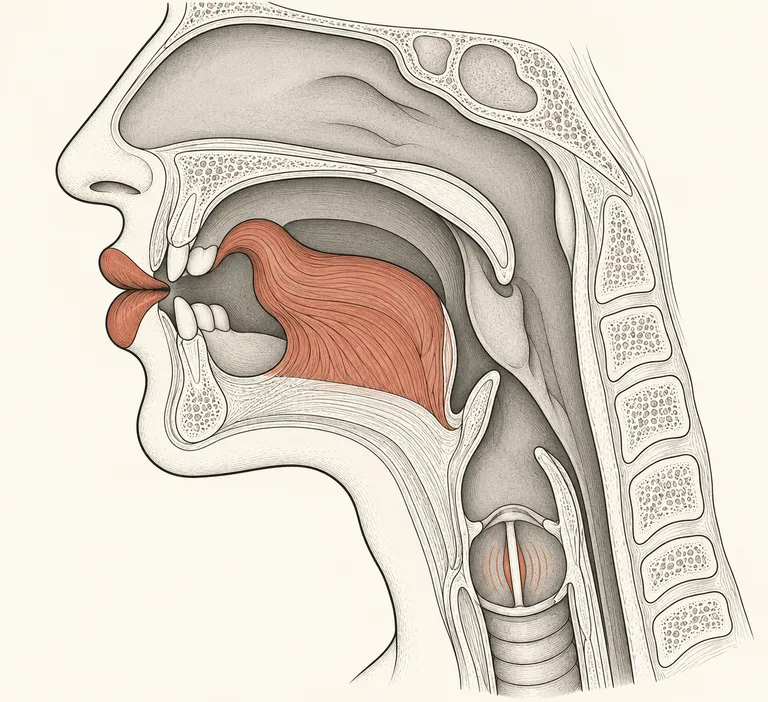
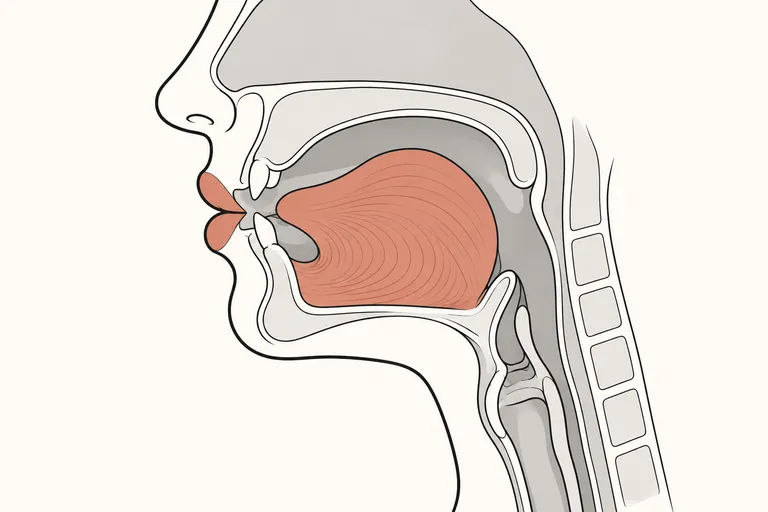
In the handful of English words that end in ʒ, such as 'garage' or 'beige', you may let the voicing drop out entirely, producing what is effectively ʃ. This mirrors the same final-devoicing tendency that affects other voiced fricatives.
How natives do it
Americans keep the buzz of voicing going continuously through ʒ, even at the very end of a word, using the identical tongue-bunched, lip-rounded shape as for ʃ but with the vocal folds vibrating throughout.
Why it matters
Since ʒ is rare in English to begin with, this substitution is less likely to cause confusion than with more frequent sounds, but keeping the voicing steady still gives loanwords like 'garage' and 'mirage' their distinctive, softer buzz instead of a harder hiss.
Hear the difference
Words this touches
Hungarian speakers often substitute /ʃ/.
How the mouth differs
Both languages share the same postalveolar tongue bunching and lip rounding for ʒ (Hungarian zs), with voicing throughout. In the rarer positions where English ʒ appears word-finally in loanwords like 'garage' or 'beige', Hungarian speakers may devoice it fully, merging it with ʃ, mirroring the general final-devoicing pattern seen with other voiced fricatives.
Listen for the pattern
Because ʒ is already uncommon in English, a devoiced substitute is less disruptive than with more frequent sounds, but it can still soften the distinctiveness of words like 'garage' or 'rouge'.
Reader ratings and feedback are coming soon.
Sources (1)
- Wells, J.C. (1982). Accents of English.