/l/, /ɫ/as in light
You likely keep l bright and forward in every position, including at the ends of words like 'feel' or before consonants like 'milk', because Hungarian never darkens this sound the way English does.

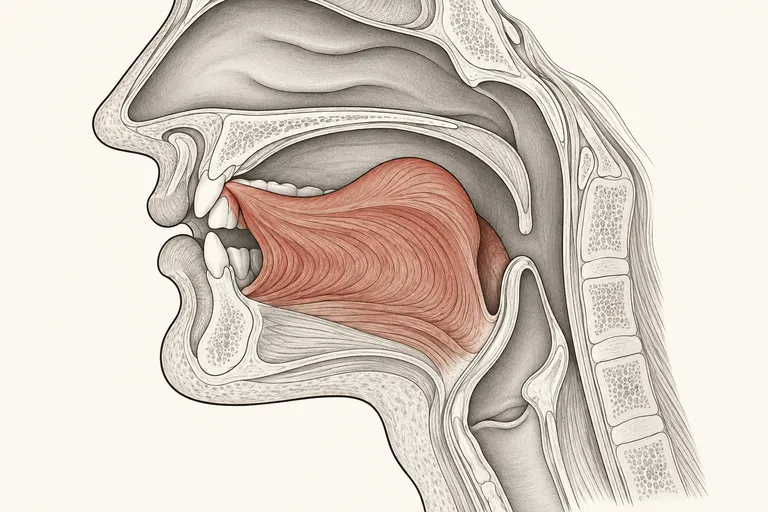
What you probably do
You likely keep l bright and forward in every position, including at the ends of words like 'feel' or before consonants like 'milk', because Hungarian never darkens this sound the way English does.
How natives do it
Americans keep the same tongue-tip contact but pull the back of the tongue toward the throat whenever l ends a syllable or comes before another consonant, producing a deeper, hollow 'dark l' quite different from the bright l used before vowels.
Why it matters
While a clear l everywhere is still understandable, it gives English a noticeably thinner, more foreign quality in words like 'feel', 'milk', and 'cold'; learning to darken coda l is a reliable way to sound more natural.
Hear the difference
Words this touches
Hungarian speakers often substitute /l/.
How the mouth differs
Both languages touch the tongue tip to the alveolar ridge for l while air flows around the sides. Hungarian l is always 'clear' — the tongue body stays forward regardless of position. English uses a clear l before vowels but a 'dark', velarized l in codas, where the back of the tongue bunches up and pulls toward the throat, adding a hollow quality.
Listen for the pattern
Using a clear l in coda positions like 'feel' or 'milk' sounds noticeably foreign and can make English speech sound slightly thinner or brighter than expected in word-final and pre-consonantal positions.
Reader ratings and feedback are coming soon.
Sources (1)
- Wells, J.C. (1982). Accents of English.