/i/as in see
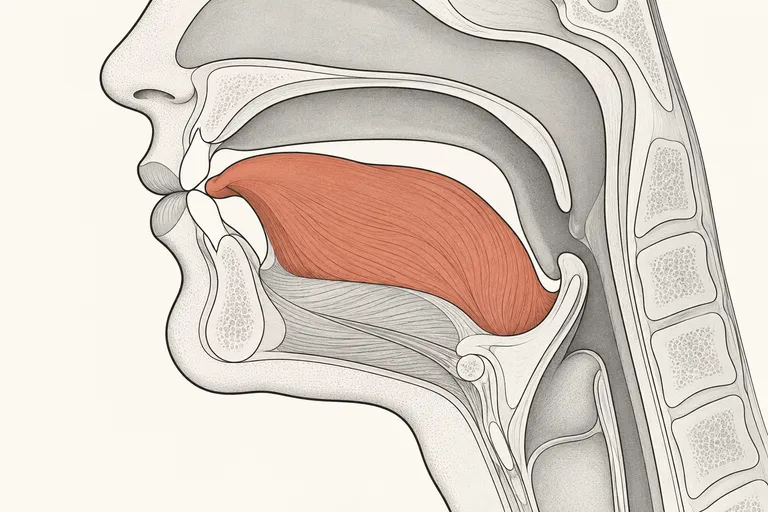
You likely say English 'ee' exactly like Hungarian í: a clean, evenly held long vowel with a fixed duration based on spelling, not on stress or what follows.
What you probably do
You likely say English 'ee' exactly like Hungarian í: a clean, evenly held long vowel with a fixed duration based on spelling, not on stress or what follows. This can make stressed 'ee' words sound a touch flat or over-held, and can blur the line with the shorter 'ih' vowel in words like 'bit'.
How natives do it
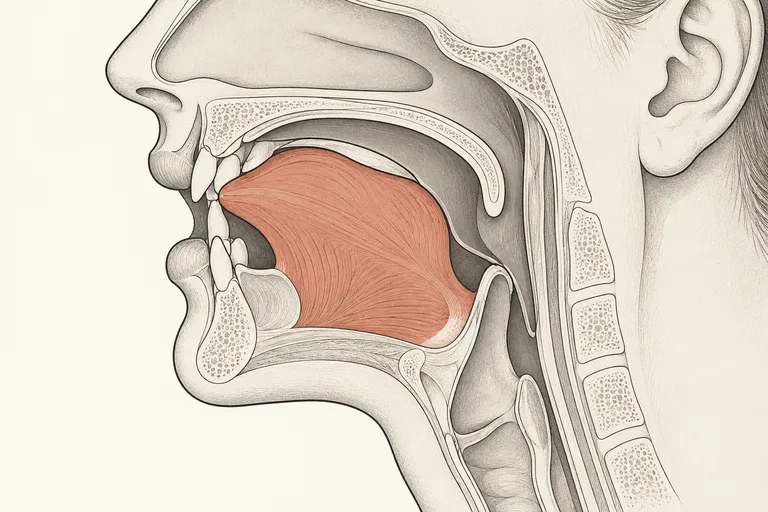
Americans keep the tongue very high and front, but let a tiny closing glide creep in at the end in stressed syllables, and they let the vowel's length shift naturally — a bit longer before voiced sounds ('seed') and shorter before voiceless ones ('seat'). Length here follows context, not a fixed rule.
Why it matters
Because English doesn't use vowel length to separate words the way Hungarian does, holding 'ee' too rigidly can sound foreign even when the vowel quality is right. Letting duration flex with stress and adding the subtle glide makes words like 'see' and 'eat' sound natural instead of clipped or mechanically stretched.
Hear the difference
Words this touches
Hungarian speakers often substitute /iː/.
How the mouth differs
Hungarian long í is produced with a high-front tongue body held steady for a fixed phonemic duration regardless of stress or the following consonant. English i has a comparable tongue height but is typically produced with a slight closing offglide in open stressed syllables and with duration that varies contextually (longer before voiced consonants, shorter before voiceless ones) rather than by lexical rule.
Listen for the pattern
Native listeners generally accept Hungarian-accented i as correct in quality but sometimes hear it as unnaturally rigid in length, since English length here is a byproduct of stress and phonetic context rather than a fixed vowel category.
Reader ratings and feedback are coming soon.
Sources (3)
- Wells, J.C. (1982). Accents of English.
- Kenesei, I., Vago, R.M., & Fenyvesi, A. (1998). Hungarian: Descriptive Grammar.
- An Optimality Theoretic account ofHungarianESLlearners...
- Hungarian ESL learners transfer the contrastive nature of vowel length from L1 to L2 despite it being non-functional in standard English.
- Optimality Theory successfully models these interference patterns by ranking constraints that prioritize L1 phonological habits over L2 requirements.
- Learners exhibit difficulty suppressing Hungarian-specific phonological rules when producing English words with short vowels.