/d/, /ɾ/as in dog
You likely produce a full, dental d in every position, including between two vowels, the same crisp closure whether at the start of a word or in the middle of one like 'ladder'.
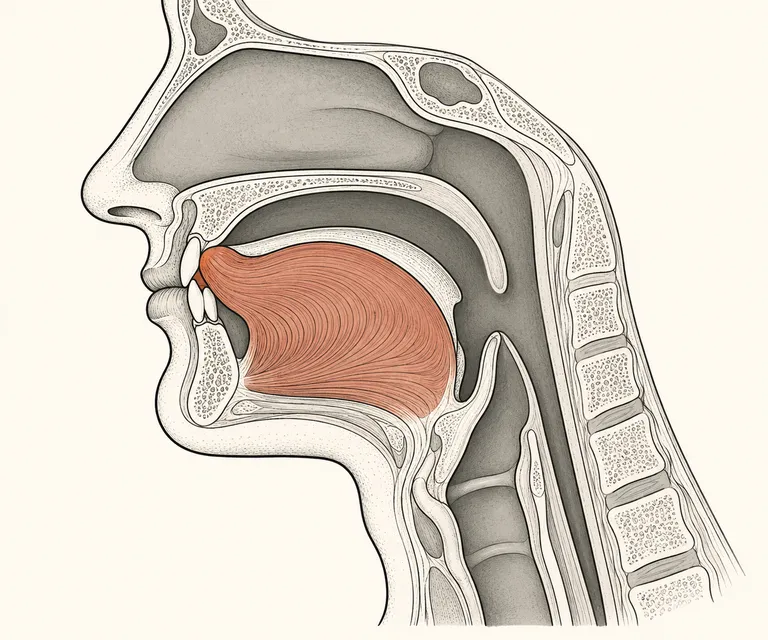
What you probably do
You likely produce a full, dental d in every position, including between two vowels, the same crisp closure whether at the start of a word or in the middle of one like 'ladder'.
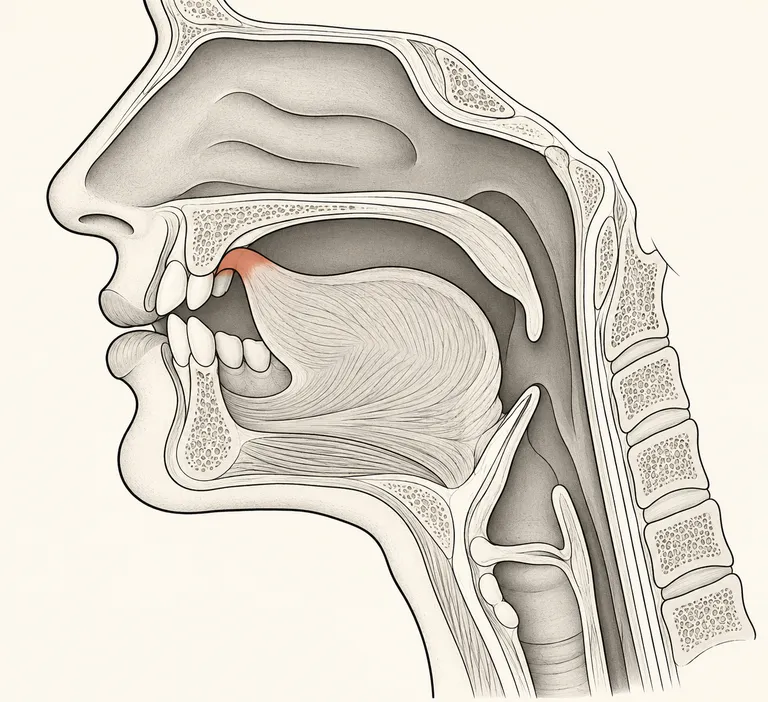
How natives do it
Americans keep the tongue tip on the alveolar ridge rather than the teeth, and turn intervocalic d into the same fast, light tap used for t, so 'ladder' and 'latter' often sound identical in casual speech — both become a quick voiced flap.
Why it matters
A fully articulated d between vowels is understood but sounds noticeably crisp and formal compared to natural American speech patterns. Learning to flap d in the middle of common words like 'body' and 'order' makes your speech flow more smoothly and sound less deliberately careful.
Hear the difference
Words this touches
Hungarian speakers often substitute /d/.
How the mouth differs
Hungarian d is a dental or denti-alveolar voiced stop produced as a full closure in every context. English d is alveolar rather than dental and is frequently reduced to a quick voiced tap (flap) between a stressed and unstressed vowel, as in 'ladder', where it becomes acoustically identical to a flapped t in words like 'latter'.
Listen for the pattern
Keeping a full dental stop in every position, as Hungarian does, is understood but sounds overly deliberate to American ears, since casual English speech relies on flapping intervocalic d into the same quick tap used for intervocalic t.
Reader ratings and feedback are coming soon.
Sources (1)
- Wells, J.C. (1982). Accents of English.