/z/as in zoo
You likely pronounce English z exactly like s, since Spanish never requires you to add voicing to that hissing sound — 'zoo' comes out sounding like 'sue', and 's' endings on plurals like 'dogs' or 'roses' lose their…
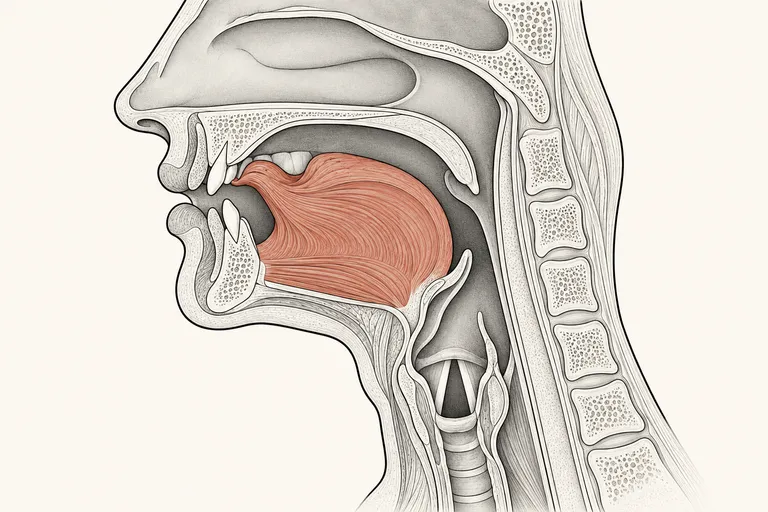
What you probably do
You likely pronounce English z exactly like s, since Spanish never requires you to add voicing to that hissing sound — 'zoo' comes out sounding like 'sue', and 's' endings on plurals like 'dogs' or 'roses' lose their buzz.
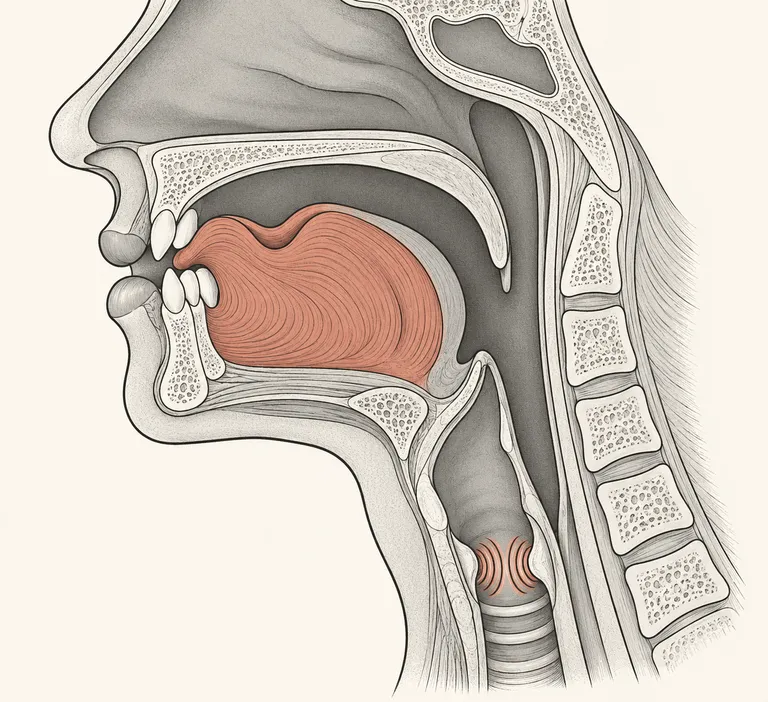
How natives do it
Americans keep the exact same tongue position as for s but turn their voice on the whole time, producing a continuous buzzing hiss instead of a plain one — try humming while hissing to feel the difference.
Why it matters
Because so many English plurals, possessives, and third-person verbs end in a voiced z sound, consistently devoicing it can make your grammar markers harder to catch and adds a noticeably foreign texture to very common words.
Hear the difference
Words this touches
Spanish speakers often substitute /s/.
How the mouth differs
Spanish has no phonemic z; the tongue-groove shape used for s is reused but the vocal folds never engage, so the buzz that should accompany English z is dropped, merging it with s.
Listen for the pattern
Listeners often hear a devoiced, hissy s where a z is expected, which can make plurals, possessives, and verb endings (dogs, is, uses) sound clipped or slightly off, even though meaning is usually still recoverable from context.
Reader ratings and feedback are coming soon.
Sources (2)
- Wells, J.C. (1982). Accents of English.
- Hualde, J.I. (2005). The Sounds of Spanish. Cambridge University Press.