/h/as in house
Because 'h' is silent in Spanish spelling, you may drop it entirely ('hair' becomes 'air'), or, if you've learned it should be pronounced, overcorrect by using the rough, throaty Spanish 'j' sound instead of a light…
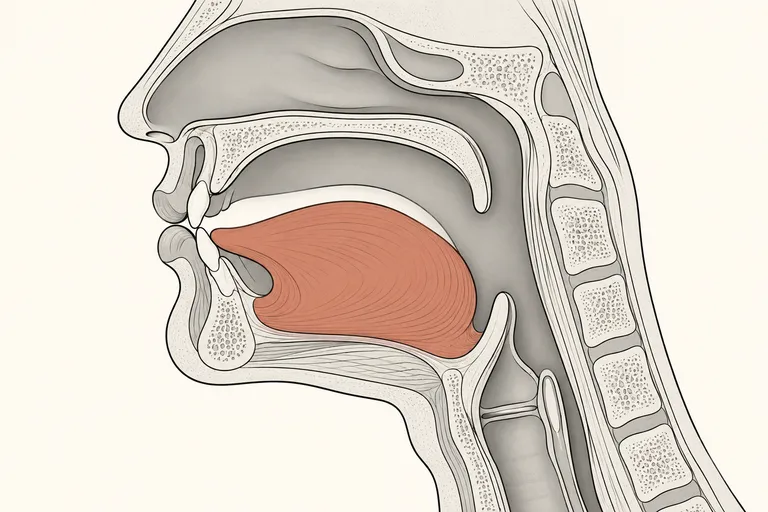
What you probably do
Because 'h' is silent in Spanish spelling, you may drop it entirely ('hair' becomes 'air'), or, if you've learned it should be pronounced, overcorrect by using the rough, throaty Spanish 'j' sound instead of a light breath.
How natives do it
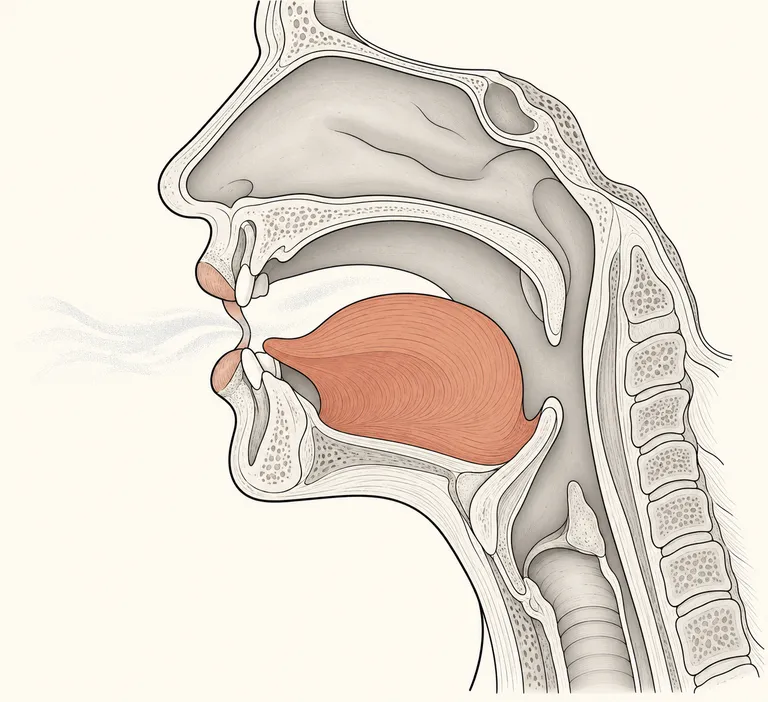
Simply shape your mouth for the vowel that follows and breathe out audibly before your voice starts — there's no tongue movement, no throat constriction, just a soft puff of air, much lighter than the Spanish 'jota' sound.
Why it matters
Dropping 'h' can turn words like 'hair' into 'air' or 'hit' into 'it', creating real ambiguity, while substituting the harsh Spanish 'j' sound makes ordinary words like 'house' or 'hello' sound unexpectedly harsh or foreign.
Hear the difference
Words this touches
Spanish speakers often substitute /x/.
How the mouth differs
Spanish 'h' is always silent in writing, so learners either skip the sound entirely or, when trying to compensate, replace it with the harsher velar fricative x (the sound spelled j or soft g), which is made much further back in the throat than the light English h.
Listen for the pattern
Listeners may hear either a completely dropped 'h' (making 'hair' sound like 'air') or an unexpectedly rough, throat-scraping sound where a soft breath was expected, both of which stand out as strongly foreign-sounding.
Reader ratings and feedback are coming soon.
Sources (2)
- Wells, J.C. (1982). Accents of English.
- Hualde, J.I. (2005). The Sounds of Spanish. Cambridge University Press.