/i/as in see
You pronounce English words spelled with 'ee' or 'ea', like 'see' and 'eat', using the same crisp, high, front vowel you already use in Mandarin words like 'yi' or 'li'.

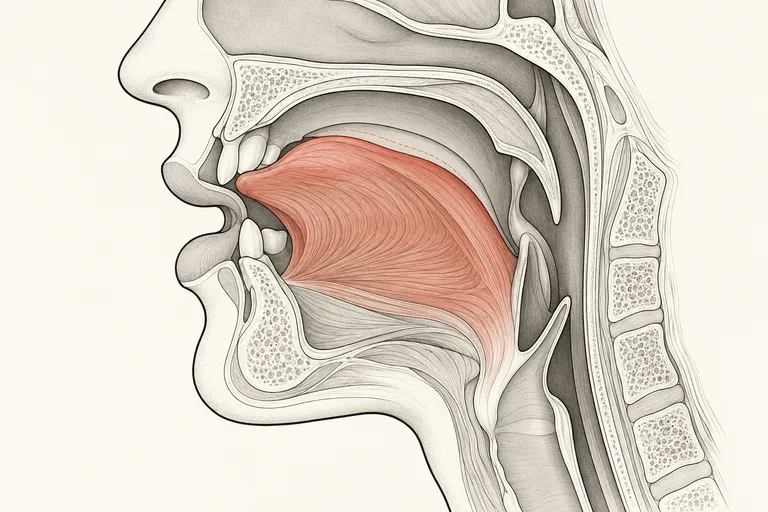
What you probably do
You pronounce English words spelled with 'ee' or 'ea', like 'see' and 'eat', using the same crisp, high, front vowel you already use in Mandarin words like 'yi' or 'li'. This is a very close match, so these words usually come out sounding natural and clear on their own.
How natives do it
Americans produce this same high, tense, front vowel, often with a touch more muscular tension and a very slight upward glide in open syllables, as in 'see' or 'key'. The key difference is that English treats this vowel as completely separate from a looser, lower cousin sound used in words like 'sit'.
Why it matters
Because Mandarin has no separate lax counterpart to this vowel, you may unconsciously use this same clear 'ee' sound for words that should use the shorter, looser vowel instead, like pronouncing 'sit' as 'seat'. This single habit can cause real mix-ups between many common word pairs, so learning to also relax this vowel for its lax counterpart is worth deliberate practice.
Hear the difference
Words this touches
Mandarin Chinese speakers often substitute /i/.
How the mouth differs
Mandarin i is a very similar high front unrounded vowel, but it is typically shorter, less diphthongized, and used as the single category for both English tense i and lax ɪ, since Mandarin has no lax front vowel counterpart; English i in stressed open syllables also commonly glides slightly upward toward a light offglide that Mandarin i does not produce.
Listen for the pattern
Listeners may hear words like 'sit' pronounced as 'seat' because the learner is using one vowel quality to cover both English sounds, which can genuinely change word meaning.
Reader ratings and feedback are coming soon.
Sources (1)
- Duanmu, S. (2007). The Phonology of Standard Chinese. Oxford University Press.