/t/, /tʰ/, /ɾ/as in top
You probably touch your tongue tip to the back of your upper front teeth for every English 't', just as in Spanish, and release it cleanly with no puff of air, using the same articulation whether the sound is at the…
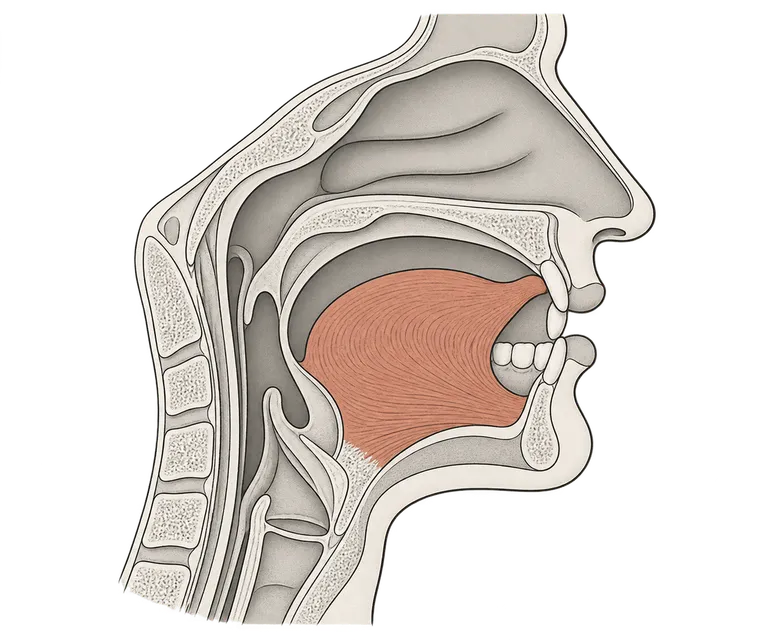
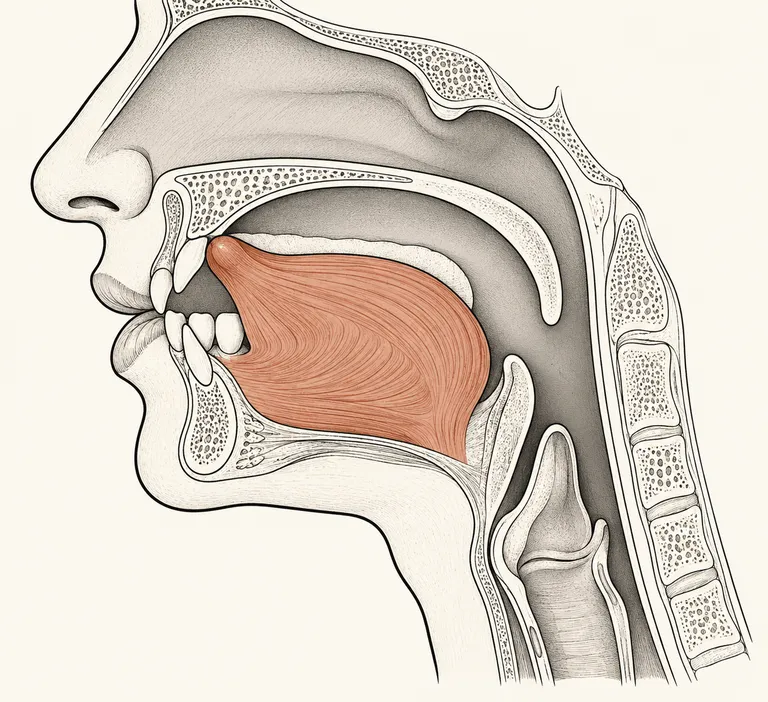
What you probably do
You probably touch your tongue tip to the back of your upper front teeth for every English 't', just as in Spanish, and release it cleanly with no puff of air, using the same articulation whether the sound is at the start of a word or between two vowels.
How natives do it
Americans place the tongue tip slightly further back, on the ridge behind the teeth, and add a strong burst of air when 't' starts a stressed syllable, as in 'top'. Between a stressed and unstressed vowel, as in 'city' or 'water', they usually skip the full stop entirely and use a quick, light tap instead.
Why it matters
Skipping aspiration can make your 't' sound like 'd' to English speakers, turning 'tie' into something closer to 'die', while keeping a full, unflapped stop in words like 'water' or 'butter' sounds noticeably stiff and formal, unlike the fast, relaxed rhythm of natural American speech.
Hear the difference
Words this touches
Spanish speakers often substitute /t̪/.
How the mouth differs
Spanish t is dental (tongue tip touches the back of the upper front teeth), always unaspirated, and never flapped; American English t is alveolar (tongue tip touches the ridge just behind the teeth), strongly aspirated at the start of stressed syllables, and frequently reduced to a quick voiced tap between a stressed and unstressed vowel, as in 'city' or 'water'.
Listen for the pattern
An unaspirated, dental t at the start of a stressed syllable can sound confusably close to d to American listeners, since aspiration is a key cue separating these sounds in English; failing to flap intervocalic t, meanwhile, can make speech sound overly formal or slightly foreign.
Reader ratings and feedback are coming soon.
Sources (1)
- Wells, J.C. (1982). Accents of English.