/ʃ/as in ship
You may add a small 'ch'-like stop before this sound, turning 'ship' into something closer to 'chip', or narrow your tongue too far forward, making it sound closer to plain 's', since neither Spanish sound is a perfect…
What you probably do
You may add a small 'ch'-like stop before this sound, turning 'ship' into something closer to 'chip', or narrow your tongue too far forward, making it sound closer to plain 's', since neither Spanish sound is a perfect match.
How natives do it
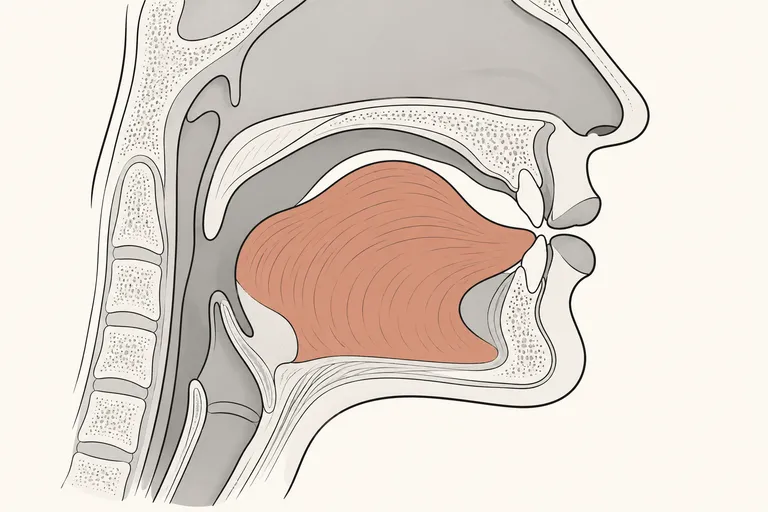
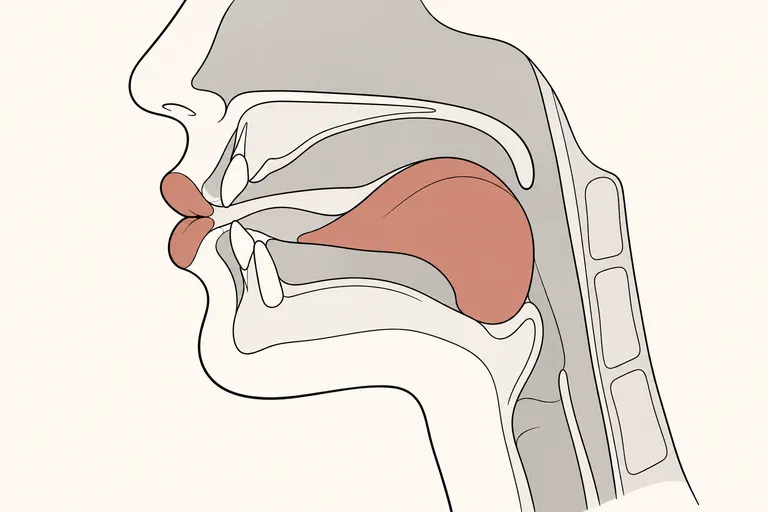
Round your lips forward and raise the middle of your tongue toward the roof of the mouth, a bit further back than for 's', letting air hiss continuously through a broad gap with no stopping or clicking at any point.
Why it matters
Because this sound distinguishes many everyday word pairs (ship/chip, wish/witch), blending it with 'ch' or 's' can create real confusion for listeners, not just an accent effect, especially in fast or noisy conversation.
Hear the difference
Words this touches
Spanish speakers often substitute /tʃ, s/.
How the mouth differs
Standard Spanish has no plain postalveolar fricative; the closest sounds are the affricate tʃ (a full stop plus release) or the alveolar s, so speakers often add an unwanted stop closure or use too narrow, forward a channel.
Listen for the pattern
Listeners frequently hear an added 'ch' click at the start of words like 'ship' or 'sure', or a thinner, more hissy sound closer to 's', both of which can blur the line between words like 'ship' and 'chip' or 'sip'.
Reader ratings and feedback are coming soon.
Sources (2)
- Wells, J.C. (1982). Accents of English.
- Hualde, J.I. (2005). The Sounds of Spanish. Cambridge University Press.