/i/as in see
You likely produce English /i/ much like your Spanish /i/ — clean and high, but shorter and a bit less tense than the English target requires, especially in stressed syllables like 'see' or 'eat'.
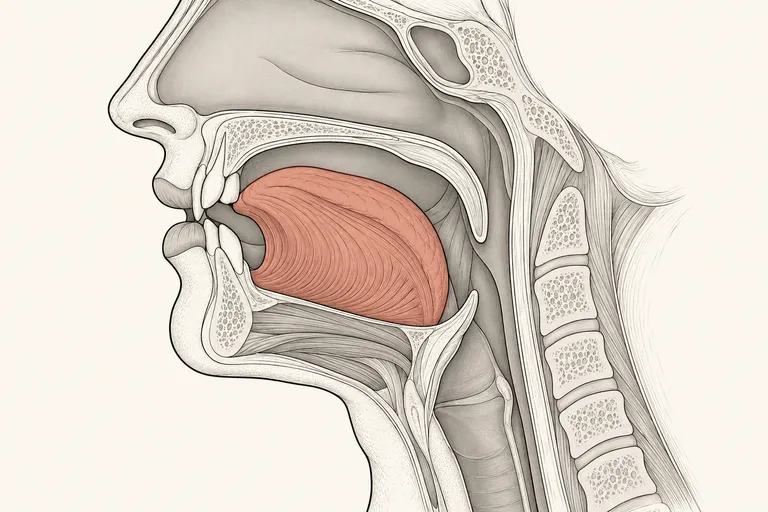

What you probably do
You likely produce English /i/ much like your Spanish /i/ — clean and high, but shorter and a bit less tense than the English target requires, especially in stressed syllables like 'see' or 'eat'.
How natives do it
Americans hold this vowel with noticeably more tongue tension and length, often adding a very slight closing glide, keeping the jaw nearly shut and the tongue pressed high and forward for the full duration of the sound.
Why it matters
On its own, this small difference rarely causes misunderstanding, but the same under-tensed vowel habit is exactly what leads Spanish speakers to also use it for English /ɪ/, so learning to make /i/ properly tense and long is the first step toward keeping 'seat' and 'sit' clearly separate.
Hear the difference
Words this touches
Spanish speakers often substitute /i/.
How the mouth differs
Spanish /i/ is a pure, short monophthong produced with moderate tongue height and tension. English /i/ requires a noticeably higher, tenser tongue position held longer, often with a slight closing offglide, especially in open stressed syllables — a level of tension and length Spanish speakers may not naturally supply.
Listen for the pattern
Producing English /i/ with Spanish-level tension and length is usually still understood as /i/, but the habit of not fully tensing this vowel is what causes trouble later with /ɪ/, since Spanish speakers use this same, slightly under-tensed /i/ for both English vowels.
Reader ratings and feedback are coming soon.
Sources (2)
- Using multiple measures to document change in English vowels produced by Japanese, Korean, and Spanish speakers: the case for goodness and intelligibility. — Amber D Franklin, Carol Stoel-Gammon, 2014
- Both goodness ratings and intelligibility scores effectively captured improvements in vowel accuracy following pronunciation training.
- The relationship between goodness and intelligibility varies by vowel; vowels like /æ/ and /ʌ/ depend more on goodness for listener identification than /i/ and /e/.
- Some vowels received better mean intelligibility scores but poorer mean goodness ratings after training, indicating that high intelligibility does not always require high perceived quality.
- Hualde, J.I. (2005). The Sounds of Spanish. Cambridge University Press.