/ɑ/as in hot
You likely produce English /ɑ/ using your Spanish /a/, which is centered and only moderately low — close, but not pulled back far enough toward the throat for the full English target.
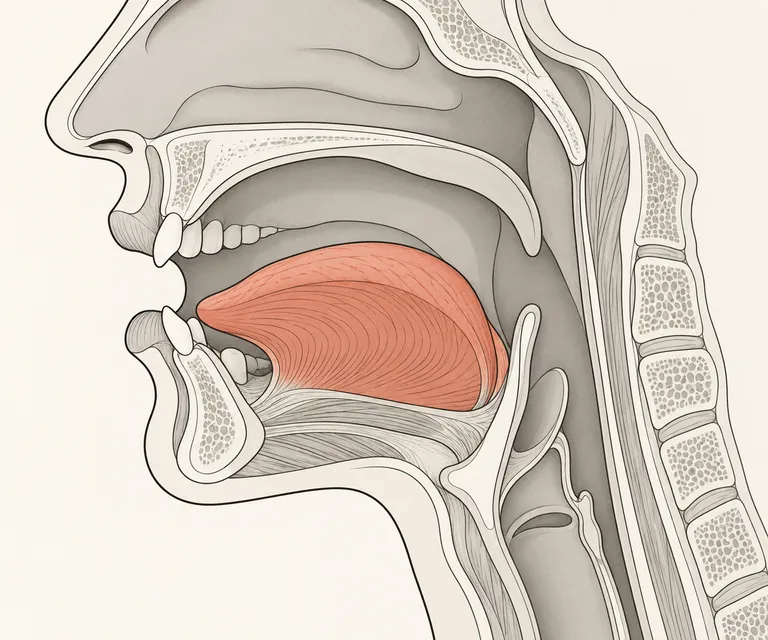
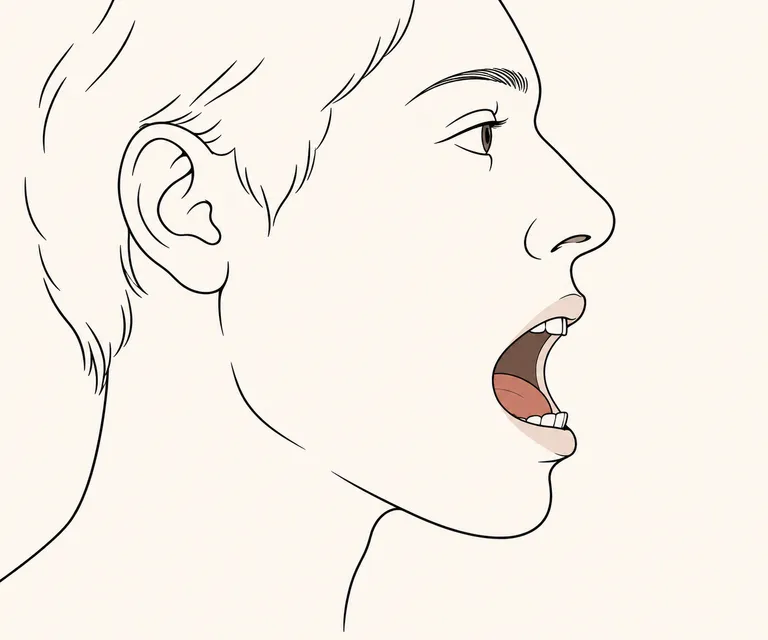
What you probably do
You likely produce English /ɑ/ using your Spanish /a/, which is centered and only moderately low — close, but not pulled back far enough toward the throat for the full English target.
How natives do it
Americans pull the tongue further back and drop the jaw wider, keeping the lips completely relaxed and unrounded, producing a fuller, more retracted low-back vowel, as in 'father' or 'hot'.
Why it matters
This is a relatively minor gap since Spanish /a/ is already fairly close, but under-retracting it can push the sound toward /æ/ territory, occasionally blurring 'hot' and 'hat' — worth a light adjustment rather than heavy focus.
Hear the difference
Words this touches
Spanish speakers often substitute /a/.
How the mouth differs
Spanish /a/ is central and slightly higher than English /ɑ/, which requires the tongue pulled further back and lower toward the throat with a wider jaw drop and no lip rounding. Spanish speakers often produce a somewhat fronted, centralized version of this vowel rather than the fully retracted English target.
Listen for the pattern
A fronted /a/-like substitute for /ɑ/ is usually still understood, but can drift perceptually toward /æ/, occasionally making 'hot' sound closer to 'hat', especially since Spanish speakers already lack a true /æ/ category to keep the two apart.
Reader ratings and feedback are coming soon.
Sources (2)
- Using multiple measures to document change in English vowels produced by Japanese, Korean, and Spanish speakers: the case for goodness and intelligibility. — Amber D Franklin, Carol Stoel-Gammon, 2014
- Both goodness ratings and intelligibility scores effectively captured improvements in vowel accuracy following pronunciation training.
- The relationship between goodness and intelligibility varies by vowel; vowels like /æ/ and /ʌ/ depend more on goodness for listener identification than /i/ and /e/.
- Some vowels received better mean intelligibility scores but poorer mean goodness ratings after training, indicating that high intelligibility does not always require high perceived quality.
- Hualde, J.I. (2005). The Sounds of Spanish. Cambridge University Press.